
TL;DR

Get workout gear delivered free with Prime
- Fast, free delivery on millions of items
- Prime Video, Amazon Music and more included
- Member-only deals all year
Seoul City and Seoul Economic Promotion Agency organized the ‘SEOUL Age-Tech Conference’ to find innovative solutions for Korea’s super-aging society. The event aims to address challenges and promote technological responses to an increasingly elderly population.
Seoul City and the Seoul Economic Promotion Agency jointly organized the ‘SEOUL Age-Tech Conference’ to explore innovative solutions for Korea’s rapidly aging population, a development that underscores the country’s urgent need for effective super-aging society strategies.
The conference, attended by government officials, industry leaders, and researchers, focused on identifying technological and social innovations to support the growing elderly demographic, including innovative age-tech solutions. The event aimed to foster collaboration among public and private sectors to develop practical responses to demographic shifts.
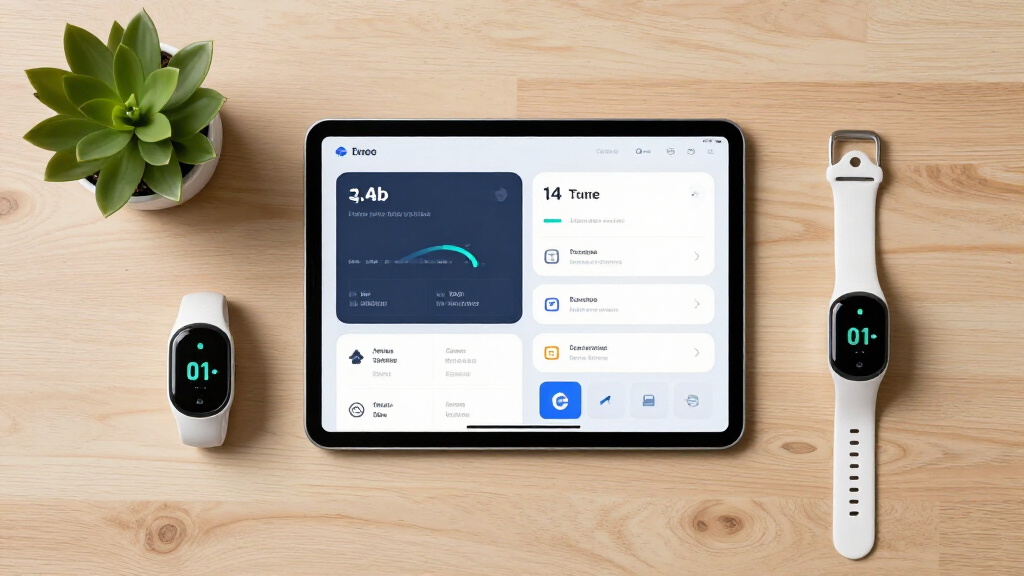
According to organizers, the event highlighted the importance of leveraging age-related technologies, such as health monitoring devices, assistive robotics, and digital health platforms, to improve quality of life for seniors and reduce societal burdens. Specific initiatives or projects were not detailed in the available information, but the emphasis was on finding scalable, innovative age-tech solutions.
Officials from Seoul emphasized that addressing super-aging challenges is a national priority, and that the city aims to become a leader in age-tech development, setting an example for other regions facing similar demographic issues.
Implications of Age-Tech Strategies for Korea’s Future
This conference signifies a proactive approach by Seoul to confront the challenges of an aging society by harnessing technology. As Korea’s elderly population is expected to surpass 20% of the total population in the coming years, effective solutions are critical for social stability, healthcare, and economic sustainability. The event underscores the importance of integrating innovative technologies into public policy and urban planning to support seniors and their caregivers.
By fostering collaboration between government, industry, and academia, Seoul aims to position itself as a leader in age-tech development, which could influence national policies and inspire similar initiatives elsewhere. The focus on scalable, practical solutions suggests a strategic shift towards sustainable, tech-driven responses to demographic change.
Products Worth Considering

Garmin Forerunner 165 GPS Running Smartwatch, 43 mm, Black

Garmin Forerunner 55 GPS Running Smartwatch, Black

Philips Sonicare 5950 Rechargeable Electric Toothbrush with 2 Brush Heads, Pink
As an affiliate, we earn on qualifying purchases.
Korea’s Rapidly Aging Population and Policy Responses
Korea is experiencing one of the fastest aging populations globally, with the proportion of citizens aged 65 and over rapidly increasing. According to recent demographic data, the country is projected to become a super-aged society by the late 2020s, with over 20% of its population aged 65 or older.
Previous government efforts have included expanding healthcare services and promoting active aging programs. However, experts warn that these measures may be insufficient to cope with the scale of future demands. The government has also emphasized the importance of technological innovation to support aging-in-place and reduce long-term care costs.
The ‘SEOUL Age-Tech Conference’ reflects a growing recognition that technological solutions are vital to managing demographic shifts, with an emphasis on developing scalable, innovative tools tailored to seniors’ needs.
Details of Specific Age-Tech Initiatives Still Unclear
While the conference emphasized the importance of age-tech solutions, specific projects, technological platforms, or policy measures have not been publicly detailed. It remains unclear what concrete initiatives will emerge from this event or how quickly they will be implemented.
Additionally, the extent of private sector involvement and funding commitments remains to be seen, as well as the potential for these solutions to be adopted nationwide.
Next Steps for Age-Tech Development and Policy Implementation
Following the conference, Seoul officials plan to establish working groups to develop pilot projects based on discussed concepts. These initiatives are expected to undergo feasibility assessments over the coming months. The city may also announce specific collaborations or funding programs aimed at accelerating age-tech innovation.
Further updates are anticipated as government and industry partners evaluate the outcomes of the conference and move toward concrete deployment of solutions to support Korea’s super-aging society.
Key Questions
Why is Seoul hosting an age-tech conference now?
The event reflects Seoul’s recognition of the urgent need to address Korea’s rapidly aging population through technological solutions and collaborative efforts, aiming to develop scalable responses before demographic pressures intensify.
What kinds of technologies are expected to be discussed?
While specific technologies were not detailed, the focus is likely on health monitoring devices, assistive robotics, digital health platforms, and other innovations designed to improve elderly care and independence.
Will these initiatives be implemented nationwide?
It is not yet clear whether the solutions developed through this conference will be scaled beyond Seoul. Future steps depend on pilot results, funding, and policy support.
How does this conference compare to previous efforts?
This event marks a more focused, collaborative approach emphasizing technological innovation and public-private partnerships, reflecting a strategic shift in Korea’s demographic policy responses.
What challenges remain in addressing Korea’s aging society?
Major challenges include funding, technological accessibility for seniors, integration into existing healthcare systems, and ensuring solutions are scalable and culturally appropriate.
Source: local