
TL;DR

Get workout gear delivered free with Prime
- Fast, free delivery on millions of items
- Prime Video, Amazon Music and more included
- Member-only deals all year
Fit&Well reported cardiologist Dr Roy Jogiya’s advice that women should not assume new chest discomfort, unusual breathlessness or persistent palpitations are simply menopause symptoms. He recommends emergency care for possible heart attack signs and medical assessment for new or recurring symptoms. Menopause-related changes may affect cardiovascular risk, but symptoms need individual evaluation.
A Fit&Well report highlights cardiologist Dr Roy Jogiya’s advice that women going through menopause should not dismiss new chest discomfort, unusual breathlessness or persistent heart palpitations as hormonal symptoms without considering a heart problem. Jogiya says some warning signs require emergency services, while new or recurring symptoms should be assessed by a clinician.
Jogiya, identified by Fit&Well as chief medical advisor at Heart Research UK, says falling estrogen levels during menopause can be accompanied by changes in cholesterol, blood pressure, abdominal fat and insulin resistance. He also notes that aging contributes, and that these changes can develop gradually. The report does not say that menopause itself explains any particular person’s symptoms or establishes a diagnosis.
The first symptom he says not to overlook is new chest pressure or discomfort, including sensations that might be mistaken for indigestion. He says a heart attack in women can also involve breathlessness, nausea, sweating, unusual fatigue, or discomfort in the jaw, back or upper abdomen. The second is becoming unexpectedly short of breath during familiar activities, such as climbing stairs or exercising. A change from someone’s usual ability, he says, deserves investigation.
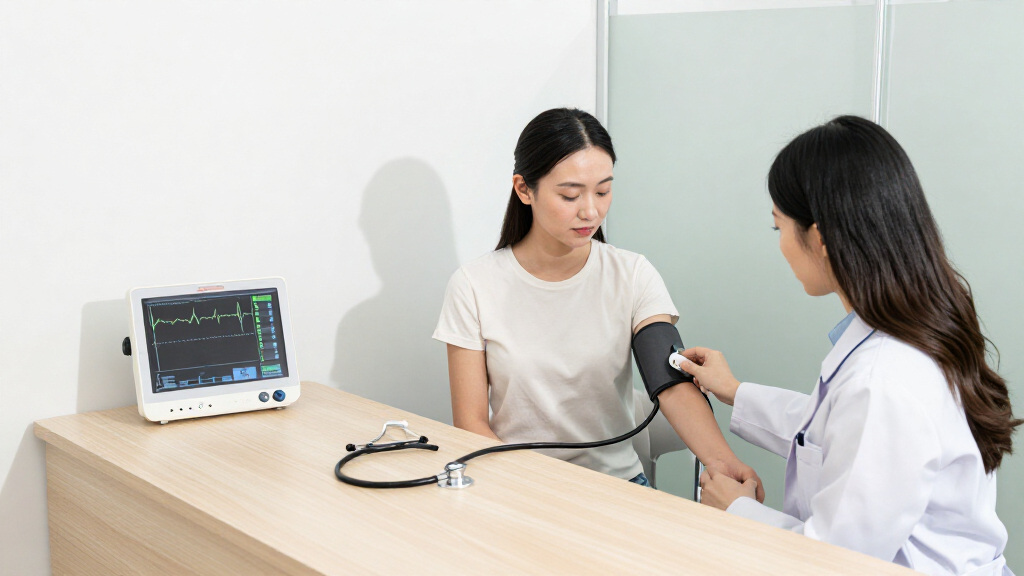
The third is a persistent racing or irregular heartbeat. Jogiya says palpitations are common during menopause and can be associated with hormonal fluctuations, disrupted sleep, anxiety and hot flashes; they are often harmless. But palpitations with chest pain, breathlessness or faintness warrant assessment. The report says clinicians may use an electrocardiogram or portable heart monitor to investigate a possible rhythm problem.
Recognizing Symptoms Beyond Menopause
The report addresses a practical risk: symptoms that may occur around menopause can overlap with signs of cardiovascular illness. Treating every palpitation as a heart problem would be unwarranted, but assuming that a new symptom is hormonal could delay assessment. Jogiya’s guidance distinguishes between symptoms that need emergency attention and changes that merit a medical appointment.
He identifies women with high blood pressure, diabetes, high cholesterol, a smoking history, obesity or a strong family history of premature heart disease as groups that may face greater risk. He also names premature menopause and pregnancy-related conditions, including pre-eclampsia, gestational diabetes and pregnancy-related hypertension, as risk markers. These are points for discussion with a healthcare professional, not a personal risk assessment.
Jogiya recommends 150 minutes of moderate exercise weekly, strength training, a diet featuring vegetables, wholegrains, nuts and olive oil, and checks of blood pressure, cholesterol and blood sugar. These are preventive health measures; the source does not claim they can prevent or treat a specific condition for every individual.
Products Worth Considering

Withings BPM Connect Blood Pressure Monitor with Wi-Fi and Bluetooth

Fitbit Sense 2 Health and Fitness Smartwatch, Shadow Grey/Graphite

Philips Sonicare 6500 Series Rechargeable Electric Toothbrush with 2 Brush Heads, White
As an affiliate, we earn on qualifying purchases.
Menopause and Cardiovascular Risk
Menopause is often discussed through symptoms such as hot flashes, disrupted sleep and anxiety. The Fit&Well report adds a cardiovascular focus, quoting Jogiya’s explanation that estrogen plays a role in blood-vessel health and cholesterol regulation. He says LDL cholesterol may rise and blood pressure may increase as estrogen levels fall, while abdominal fat and insulin resistance can also develop.
Those statements describe possible changes, not outcomes that will happen to every woman. The report also stresses that aging is a factor, and does not quantify how much risk is attributable to menopause compared with other influences. Its central advice is to pay attention to changes from a person’s normal functioning and seek appropriate evaluation rather than trying to decide alone whether a symptom is hormonal or cardiac.
“Menopause isn’t just a reproductive milestone; it’s a cardiovascular one, too.”
— Dr Roy Jogiya, cardiologist and chief medical advisor at Heart Research UK, quoted by Fit&Well
When Symptoms Need Individual Assessment
The report provides general guidance, not a diagnosis, and does not establish that menopause causes any individual episode of chest discomfort, breathlessness or palpitations. It gives no study data or estimates of how often these symptoms signal heart disease. Palpitations can be associated with menopause and may be harmless, but the cause cannot be determined from symptoms alone.
It is also not clear from the source how Jogiya’s advice was developed or whether it reflects a formal clinical guideline. The report says that emergency services should be called when someone thinks they may be having a heart attack, even if unsure. It lists new chest pressure, especially with sweating, nausea or breathlessness, and palpitations accompanied by chest pain, shortness of breath or faintness among emergency warning signs. Severe breathlessness, collapse or signs of stroke also require emergency attention. Local emergency numbers differ; the report names 911 in the United States and 999 in the United Kingdom.
When to Seek Care
According to the report, women should call emergency services for possible heart attack symptoms or palpitations accompanied by chest pain, shortness of breath, faintness or fainting. Do not wait for symptoms to become severe. For new or recurring palpitations, reduced exercise tolerance, recurrent dizziness or unexplained breathlessness, Jogiya advises arranging a medical assessment. Worsening symptoms call for urgent medical advice; seek advice even if concerning palpitations with chest pain, breathlessness or faintness have stopped.
At an appointment, a clinician can review symptoms and cardiovascular risk factors, and decide whether tests such as an ECG or portable heart monitor are appropriate. The source does not specify a follow-up date or a new policy announcement. It recommends routine checks of blood pressure, cholesterol and blood sugar, alongside exercise and dietary habits, as part of preventive care.
Key Questions
Which three symptoms does the cardiologist say not to ignore?
Dr Roy Jogiya identifies new chest discomfort, unexpected breathlessness during familiar activities and persistent racing or irregular heartbeats. These symptoms do not by themselves confirm a heart condition, but they may warrant urgent or routine medical assessment depending on accompanying signs and severity.
Are palpitations during menopause always a sign of heart disease?
No. Jogiya says palpitations are common during menopause and are often harmless; hormonal fluctuations, sleep disruption, anxiety and hot flashes can make the heartbeat more noticeable. Persistent palpitations, especially with chest pain, breathlessness or faintness, need assessment.
When should someone call emergency services?
The report advises calling emergency services if a heart attack is suspected, including for new chest pressure or discomfort, particularly with sweating, nausea or breathlessness. It also lists palpitations with chest pain, shortness of breath or fainting or near-fainting, as well as severe breathlessness, collapse or signs of stroke. Use the emergency number where you are.
What routine checks does the report recommend?
Jogiya recommends having blood pressure, cholesterol and blood sugar checked so potential problems can be identified and managed. A clinician can advise how often checks are appropriate based on a person’s health and risk factors.
Source: fitandwell.com