TL;DR

Get workout gear delivered free with Prime
- Fast, free delivery on millions of items
- Prime Video, Amazon Music and more included
- Member-only deals all year
Fit&Well published a lower-body routine built around forward, side and curtsy lunges, recommending 2–3 sets of 6–8 repetitions per leg for each movement. The report says the variations train the glutes from different directions and can be performed with dumbbells or bodyweight; it does not provide study evidence that this schedule will produce a specific strength or muscle gain.
Fit&Well has recommended a three-part lunge workout—forward, side and curtsy lunges—as a weekly option for training the glutes and other lower-body muscles. The report suggests 2–3 sets of 6–8 repetitions per leg for each variation, with dumbbells optional; it presents the routine as training advice, not as evidence that one weekly session guarantees stronger glutes.
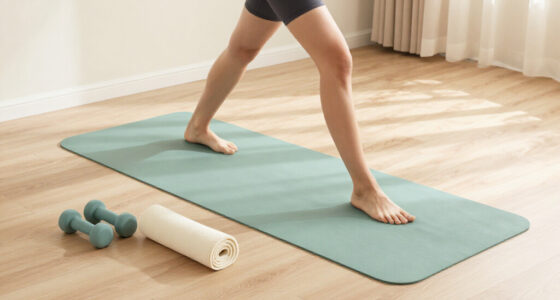
The routine combines lunges in three directions. A forward lunge steps straight ahead; a side lunge moves laterally; and a curtsy lunge steps diagonally behind the standing leg. Fit&Well says the different directions recruit lower-body muscles in varied ways, including the gluteus maximus, medius and minimus. The report describes these muscles as contributing to hip and leg movement and pelvic stability.
For each movement, the recommended volume is 2–3 sets of 6–8 reps per side. The instructions begin from a hip-width stance with the core engaged and the chest upright. In a forward lunge, step ahead and bend both knees, keeping the front knee over the foot; in a side lunge, bend the stepping knee while sending the hips back and keeping the other leg straight. For a curtsy lunge, step one foot diagonally behind the other and lower under control.
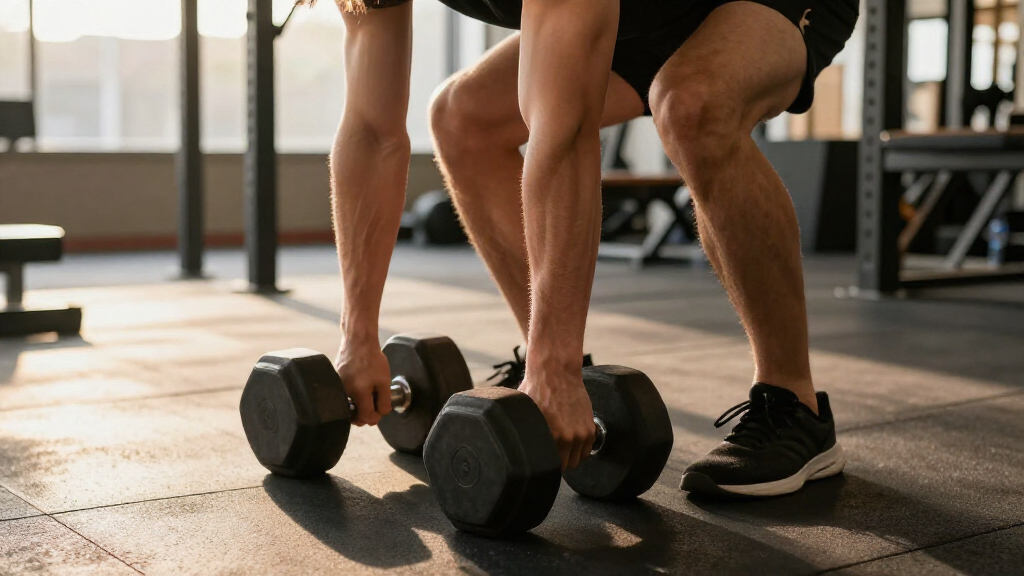
Fit&Well says exercisers can hold dumbbells at their sides, on their shoulders or at the chest, or use bodyweight. It recommends a bodyweight warm-up before adding load and increasing weights gradually. People who find alternating sides unsteady can complete the repetitions on one side before switching. The article also suggests the sequence may be done as part of a wider weekly plan or on its own.
A Short Routine With Flexible Loading
The report outlines a lower-body session that can be performed with bodyweight or dumbbells. It describes bodyweight lunges as an option for people beginning the movements and suggests dumbbells as a way to add resistance. The routine includes forward, lateral and diagonal lunge patterns.
The report does not establish that the workout is appropriate for everyone or that once-weekly training is sufficient for particular goals. It is an exercise report and personal account, not a controlled study comparing training schedules or measuring outcomes. Individual results may depend on factors the report does not assess, including technique, training history, recovery and the rest of a person’s program.
Products Worth Considering

Bowflex SelectTech 840 Adjustable Kettlebell

Therabody Theragun Elite 5th Gen Deep Tissue Massage Gun

Levoit Core 400S-P Smart Air Purifier for Large Rooms
As an affiliate, we earn on qualifying purchases.
Why the Report Uses Three Lunges
Fit&Well’s author says they use lunges alongside squats because lunges let them train the lower body through several directions. The report names the three glute muscles and explains their general roles: the gluteus maximus is the largest, while the medius and minimus sit beneath it and contribute to side-leg movement and hip control.
The author also describes personal experience using side and curtsy lunges during recovery after a prior bulging-disc diagnosis. That is an individual account, not evidence that these movements treat back conditions or are suitable during rehabilitation. The report additionally argues that varied loading can support hip and ankle mobility and stability, but it does not cite measurements or clinical findings to establish those effects.
“Perform six to eight reps on each leg for each exercise, and complete two or three sets in total.”
— Fit&Well report
Evidence and Individual Suitability
The supplied report does not include a study, comparison group or measured results showing that this routine builds glute strength when done once weekly. Its benefits are presented as the author’s rationale and experience, so the size and timing of any gains remain unspecified. It also does not provide a single recommended dumbbell weight or explain how to progress once the suggested repetitions become manageable.
The advice does not address every injury, health condition or mobility limitation. Lunge depth, stance and balance may need adjustment, and the report does not offer individualized coaching. Anyone with pain, a history of injury or a relevant health concern should seek guidance from a qualified fitness or health professional before adding weighted lunges.
How to Apply the Routine
Readers following the plan can begin with a bodyweight round to rehearse each movement, then choose a comfortable range of motion and load. The report’s next step is to perform 2–3 sets of 6–8 repetitions per side for each lunge, keeping movements controlled and switching sides only as balance permits. Dumbbells should be added gradually rather than all at once.
Fit&Well does not announce a follow-up study or a tested progression schedule. People using the routine would need to judge whether it fits their broader training plan and adjust the load or movement with appropriate professional advice if needed. The central guidance remains a weekly three-lunge sequence, not a claim of guaranteed results.
Key Questions
What exercises are in the routine?
The sequence includes forward, side and curtsy lunges, performed on both legs.
How many repetitions and sets does Fit&Well recommend?
The report suggests 6–8 repetitions per leg for each variation and 2–3 sets.
Do I need dumbbells?
No. Fit&Well says the routine can be done with bodyweight or with dumbbells held at the sides, on the shoulders or at the chest. It recommends warming up without weight and adding load gradually.
Does the report prove that one weekly workout builds stronger glutes?
No. It offers a workout recommendation but does not report a controlled study or measured results establishing that once-weekly training produces a particular strength or muscle gain.
Source: fitandwell.com