TL;DR

Get workout gear delivered free with Prime
- Fast, free delivery on millions of items
- Prime Video, Amazon Music and more included
- Member-only deals all year
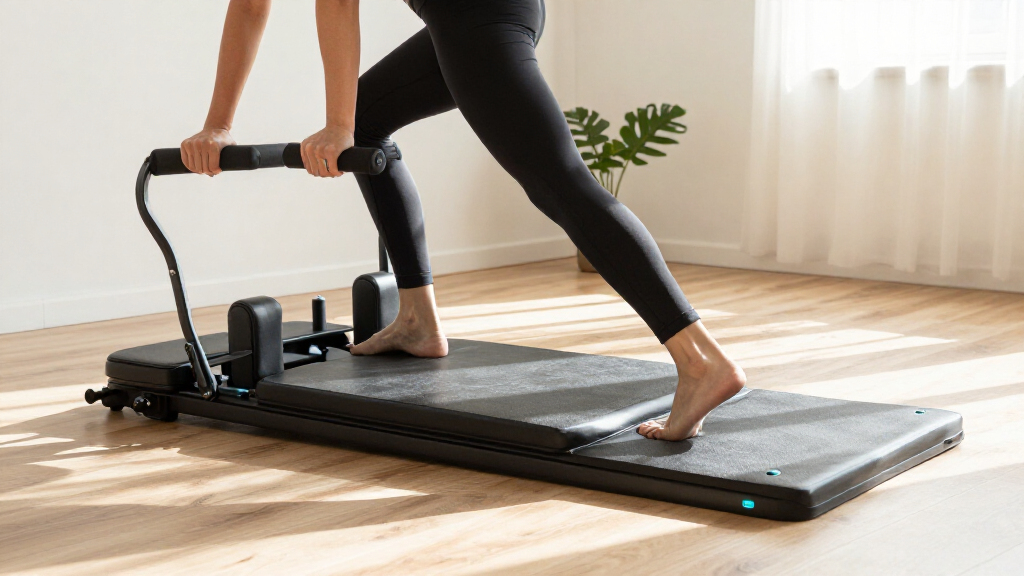
Fit&Well published a four-exercise, Pilates-inspired weights workout shared by instructor Victoria Repa of BetterMe. It combines squats, lunges, bridges and side-lying leg lifts with controlled movement, beginner-level repetition ranges and guidance to start with one round.
Fit&Well has published a four-exercise, Pilates-inspired weights workout designed to pair familiar strength movements with attention to breathing, posture and control. The routine was shared by Victoria Repa, a Pilates instructor and founder of the BetterMe workout app, and offers beginners a starting point of one round with light or manageable resistance.
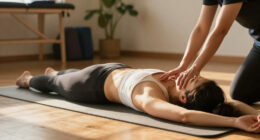
The routine includes a weighted squat, standing lunge, weighted Pilates bridge and side-lying leg lift with an ankle weight. The exercises use dumbbells or an ankle weight, and the report gives a repetition range for each: eight to 12 squats, six to eight lunges per side, 10 to 12 bridges and eight to 10 leg lifts per side. It recommends 45 to 60 seconds of rest between movements.
Repa advises choosing resistance that would still allow another two or three controlled repetitions. Her suggested starting point is one round; someone who becomes more confident with the movements can try two. The instructions emphasize keeping the feet grounded and knees aligned during squats, controlling the lowering phase, and maintaining steady hip position during side-lying leg lifts.
The workout applies Pilates-style focus to resistance exercises rather than presenting a sequence of traditional mat movements. Repa says the movements remain low-impact while added resistance increases the work muscles do. The report describes potential fitness benefits of strength training and Pilates, but it does not provide study results or measurements showing outcomes from this particular four-move routine.
A Controlled Route Into Weights
The routine offers readers who already enjoy Pilates a structured way to add resistance without shifting to high-impact movements. Its directions focus on alignment and deliberate repetitions, which may help people pay attention to how they perform familiar exercises. The proposed one-round start also gives beginners a simple entry point, rather than asking them to begin with a high volume of work.
That guidance is not a guarantee of results. The report does not compare this workout with other training plans, establish that it improves alignment, or show how quickly a participant might gain strength. Its practical value is as an example routine with specified movements, repetitions and rest periods—not as a tested program with documented outcomes.
Products Worth Considering

BowFlex Results Series SelectTech Adjustable Dumbbells (Pair)

Levoit Vital 100S-P Air Purifier for Home and Pets

LEVOIT Air Purifier for Home, Pets, Bedroom, Smart WiFi
As an affiliate, we earn on qualifying purchases.
Pilates Principles Meet Resistance
The Fit&Well report contrasts the 34 mat movements associated with the original form of Pilates with contemporary approaches that may use weights and a broader range of exercises. It presents the workout as Pilates-inspired: the four movements are recognizable resistance exercises, while the approach emphasizes breathing, posture and controlled movement.
Repa’s rationale is that resistance exercise can support muscle and bone health, while Pilates practice emphasizes posture, mobility and alignment. These are general claims in the report; it does not cite specific research or say that this routine has been clinically tested. The distinction matters: readers are being offered an exercise plan and an instructor’s perspective, not a medical assessment or a measured finding about the program.
“If you enjoy Pilates and feel ready for a little more of a challenge, adding weights can be an approachable next step.”
— Victoria Repa, Pilates instructor and BetterMe founder, as quoted by Fit&Well
Evidence and Individual Suitability
The supplied report does not give a publication date, identify a trial or study behind this specific routine, or report participant outcomes. It is not clear how the workout was tested, how often readers should repeat it, or whether Repa recommends it for people with particular injuries or health conditions. The report’s claims about potential strength, bone-health and alignment benefits should not be read as proof that this sequence will produce those results for every person.
Exercise tolerance and appropriate resistance vary. Anyone with a pre-existing condition, injury, balance concern or uncertainty about safe technique may wish to seek guidance from a qualified health or fitness professional. The report does not provide individualized screening or modifications.
Start With One Controlled Round
The routine’s next step is set by its own guidance: begin with one round, use a resistance that leaves room for two or three more controlled repetitions, and rest 45 to 60 seconds between exercises. Repa suggests moving to two rounds once a participant feels more confident. The report does not set a timetable for progression or specify weekly frequency, so readers should not treat either as established guidance from this source.
For anyone trying the sequence, the immediate focus is technique across the four movements: keep the squat and lunge controlled, support the dumbbell during the bridge, and lift the leg only a short distance while keeping the hips steady. Whether the routine produces the stated general fitness benefits remains unreported.
Key Questions
What exercises are in the workout?
It includes weighted squats, standing lunges with light dumbbells, weighted bridges and side-lying leg lifts with an ankle weight.
How many rounds should a beginner do?
Repa recommends starting with one round. The report says participants can try two rounds once they feel more confident, but it does not specify a progression schedule.
How much weight should I use?
Repa advises choosing resistance that would leave room for two or three additional controlled repetitions. The report does not prescribe a particular dumbbell or ankle-weight amount.
Does the report prove the workout improves alignment?
No. It describes Pilates-inspired attention to posture and alignment, but provides no study results or measured outcomes for this particular routine.
How long should I rest between exercises?
The routine specifies 45 to 60 seconds of rest between each movement. People with injuries or pre-existing health conditions may want professional guidance before beginning.
Source: fitandwell.com