
TL;DR
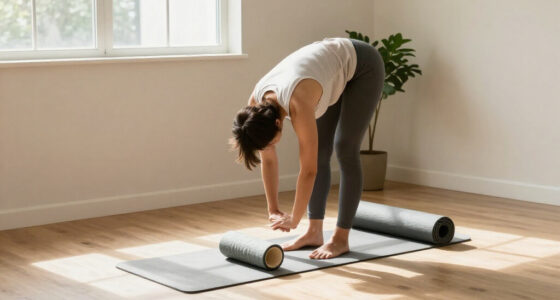
Physical therapist Raj Suppiah recommends three gentle movements for people who feel stiff after sitting: cat-cow, open-book thoracic rotations and a half-kneeling hip flexor stretch. The routine includes suggested repetitions and holds, but it is not a treatment for every cause of back pain; stop if symptoms worsen and seek professional advice for persistent or disruptive pain.
Physical therapist Raj Suppiah recommends three gentle stretches—cat-cow, open-book thoracic rotations and a half-kneeling hip flexor stretch—for people who feel stiff after sitting for long periods. The routine, reported by Fit&Well, focuses on moving the spine and hips rather than trying to hold one “perfect” sitting posture; it is general exercise guidance, not a diagnosis or individualized treatment plan.

Get workout gear delivered free with Prime
- Fast, free delivery on millions of items
- Prime Video, Amazon Music and more included
- Member-only deals all year
Suppiah, co-founder of Foundation Physiotherapy & Wellness, suggests doing 10–12 cat-cow repetitions, followed by 10–12 open-book rotations on each side. The sequence ends with a 20–30-second half-kneeling hip flexor stretch per side. Rest for 15–30 seconds and repeat the full sequence once. He advises moving gently within a comfortable range and stopping if a movement makes pain worse.
For cat-cow, start on hands and knees, with hands beneath the shoulders and knees beneath the hips. Slowly round the back toward the ceiling, then gently lower the abdomen and lift the chest, alternating between the positions without forcing the range. Suppiah says the movement takes the spine through two directions after it has been held relatively still during sitting.
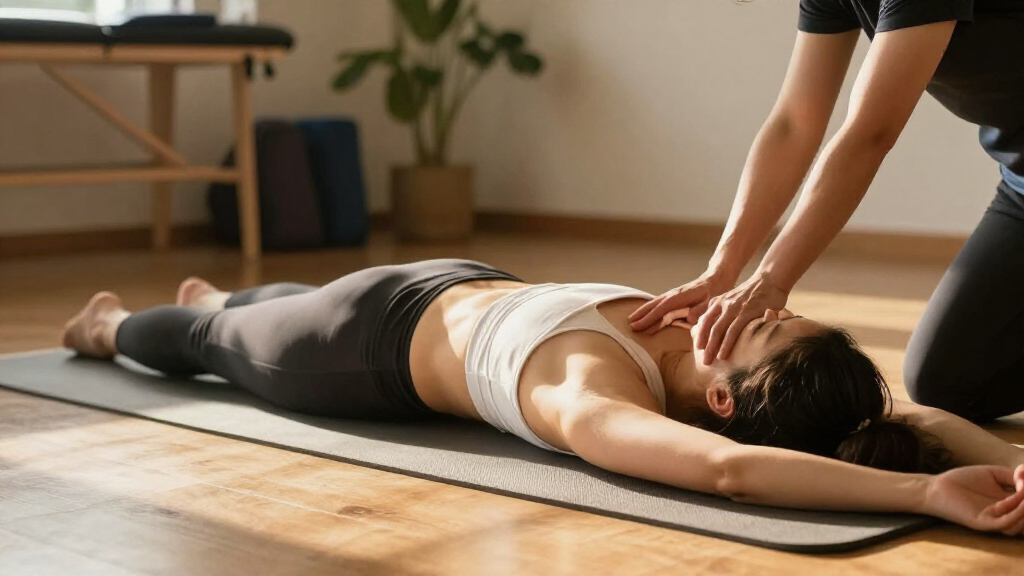
The open-book movement is performed lying on one side with hips and knees bent. Keeping the knees together, sweep the upper arm across the body to rotate the chest and upper back, then return to the start and repeat on both sides. For the final stretch, kneel on one knee, place the other foot in front, gently tuck the pelvis and shift the hips forward until a stretch is felt at the front of the kneeling-side hip. A cushion can be placed under the knee. The source advises seeking a healthcare professional’s guidance if back pain persists for several weeks or interferes with everyday activities.
Movement Instead of One Fixed Posture
The advice matters because it presents regular movement as a practical response to stiffness after desk work, rather than suggesting that there is one posture everyone must maintain. Suppiah says even a posture that feels comfortable can become uncomfortable if held for too long. The exercises offer readers a short sequence they can try after sitting, while the source does not claim they will prevent or resolve all back pain.
The routine also addresses more than the back alone. The open-book rotation targets movement through the middle and upper back, while the half-kneeling stretch focuses on the hips. Suppiah says the hips and spine work together, so considering hip movement can help people feel more comfortable standing or walking after sitting. These are his explanations of the exercises, not evidence that every person’s stiffness has the same cause.
For readers, the practical point is to treat the moves as gentle mobility exercises, not a test of flexibility. There is no instruction to push into pain or force the hand to the floor in the rotation. People with existing injuries or health concerns may need advice suited to their circumstances, and worsening symptoms are a reason to stop.
Products Worth Considering

LEVOIT Vital 200S-P Smart Air Purifier for Large Rooms, White

Blueair Signature SP1i Smart Air Purifier

Withings Body Smart Wi-Fi and Bluetooth Body Composition Scale
As an affiliate, we earn on qualifying purchases.
Why Sitting Can Feel Stiff
The Fit&Well report grew out of its writer’s experience working temporarily at a dining table and noticing back stiffness in a different chair. Suppiah’s response was to recommend movement and mobility rather than a single ideal seating position. He says sitting itself is not inherently damaging to the spine and that research does not support the idea that one specific sitting posture causes back pain in everyone.
Suppiah attributes discomfort after prolonged sitting to muscles and joints remaining in relatively static positions, and to some muscles working continuously to support the body, which can contribute to fatigue. He says an ill-fitting chair or desk may add discomfort—for example, if the feet do not reach the floor comfortably or the work setup requires sustained leaning forward. His broader advice is to change positions regularly rather than trying to stay perfectly still.
The article also notes that mobility is only one part of back care. Suppiah says strength and endurance matter as well, though the supplied report excerpt does not provide a detailed strengthening program. The three stretches should not be presented as a substitute for that broader approach or for professional assessment when symptoms call for it.
“Our bodies are designed to move, not to hold one position perfectly for eight hours.”
— Raj Suppiah, co-founder of Foundation Physiotherapy & Wellness
Limits of the Stretch Advice
The report does not provide clinical trial results, quantify how much the exercises reduce discomfort, or establish that the sequence works for everyone. It also does not identify the cause of any individual reader’s back pain. Suppiah’s explanations describe why the movements may be useful after sitting, but they should not be read as a diagnosis or a guarantee of relief.
The source gives no publication date, and the supplied material does not include a detailed strength and endurance plan mentioned by Suppiah. It is also not clear whether a particular chair, work setup or medical condition is responsible for any person’s symptoms. The stated safety guidance is to stay within a comfortable range, stop if pain worsens and seek professional advice for pain that lasts several weeks or disrupts daily activities.
How to Try the Sequence Safely
Readers who choose to try the routine can follow the reported order: 10–12 cat-cow repetitions, 10–12 open-book rotations per side, then a 20–30-second hip flexor stretch on each side. Rest for 15–30 seconds before repeating once. Keep each movement controlled, use a cushion under the kneeling knee if needed and do not force a stretch or rotation.
There is no follow-up study or additional milestone specified in the source. For ongoing practice, Suppiah’s reported guidance is to change positions regularly and include strength and endurance work as part of back care. Anyone whose pain persists for a few weeks, interferes with ordinary activities or worsens during the movements should stop and consult a healthcare professional for individualized guidance.
Key Questions
Which three moves does the physical therapist recommend?
Cat-cow, open-book thoracic rotation and a half-kneeling hip flexor stretch. Suppiah recommends them as gentle mobility movements after extended sitting.
How many repetitions and holds are suggested?
Do 10–12 cat-cow repetitions, then 10–12 open-book rotations per side. Hold the hip flexor stretch for 20–30 seconds on each side, rest 15–30 seconds, and repeat the sequence once.
Should the stretches hurt?
No. The report advises moving within a comfortable range and stopping if an exercise makes pain worse. Do not force the movement to reach a particular position.
When should someone seek professional advice?
The source advises consulting a healthcare professional if back pain persists for a few weeks or interferes with everyday activities. People with existing conditions or concerns should seek guidance suited to their situation.
Does the report say sitting causes back pain?
No. Suppiah says sitting is not inherently damaging to the spine and that one specific sitting posture does not cause back pain in everyone. He recommends changing positions regularly rather than trying to maintain one posture all day.
Source: fitandwell.com