TL;DR

Get workout gear delivered free with Prime
- Fast, free delivery on millions of items
- Prime Video, Amazon Music and more included
- Member-only deals all year
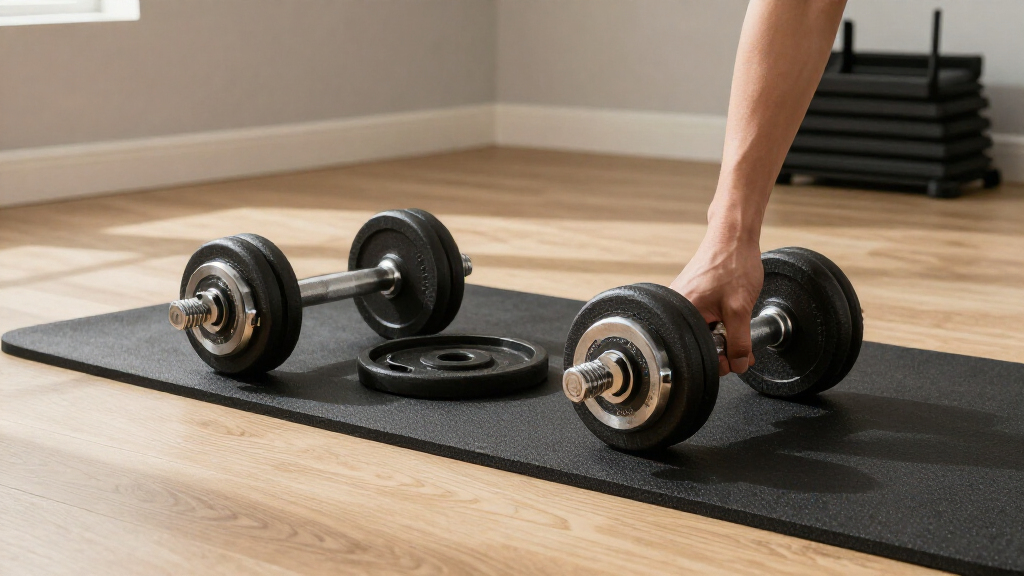
Adjustable dumbbell sets combine multiple weight settings in one compact set, saving storage space compared with a rack of fixed weights. Before buying, compare the usable weight range and increments, adjustment mechanism, grip and balance, footprint, warranty, and care instructions. Choose for your actual exercises and follow the maker’s safety guidance, especially about securing selectors and dropping weights.
A pair of adjustable dumbbells can replace a corner full of iron, but only if the weights fit the way you train. One set might click from light to heavy with a dial; another asks you to add plates by hand. That difference can shape whether your workout flows or keeps stopping while you fiddle with hardware.
This guide explains what adjustable dumbbell sets are, how their weight settings and mechanisms differ, and what to check before you buy. You’ll learn how to match a set to your exercises, your available floor space, and the people who may share it. A quick example: if you switch between light raises and heavier rows, the adjustment increments and speed matter as much as the maximum weight.
Use the details here as a buying framework, then confirm current specifications, warranty terms, and use instructions with the manufacturer. Products change, and two sets with similar-looking trays can handle very differently.
Check both the lightest and heaviest settings, plus the size of each weight increment.
Choose dial, selector-pin, or plate-loaded adjustment based on how often you change loads and how you prefer to handle equipment.
Measure the tray location and consider the dumbbell’s shape during your actual exercises.
Confirm current warranty, replacement-part, care, and impact guidance with the manufacturer.
Return the weight to its stable cradle before adjusting it, and confirm selectors or collars are secure before lifting.
What Adjustable Dumbbells Give You in One Compact Set
Adjustable dumbbell sets combine multiple weight settings in one compact set, letting you select a load instead of storing a separate pair for every weight. You may change the setting with a dial, a selector pin, plates, or a threaded collar. The result can be a tidy home setup with more training options than one fixed pair.
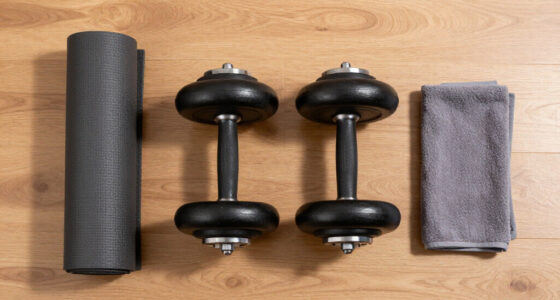
For example, imagine you have room for a mat beside your desk, but no spare wall for a dumbbell rack. A set and its tray may fit in a reachable corner, while a range of fixed pairs would spread across the floor. That space saving has a practical payoff: you can keep your workout gear visible and close at hand, rather than tucked away in a closet.
The tradeoff is that one adjustable dumbbell may feel longer or bulkier than a fixed dumbbell at a light setting. Its shape can affect how comfortably you move during a shoulder raise or a curl. The tray also needs a stable spot, and enough clearance to return the weight without bumping a wall.
So, think beyond the product photo. Measure the storage area, then consider the movements you plan to do. A compact set can suit a small apartment beautifully, but the handling should still feel natural for your workouts.
Products Worth Considering

Oral-B iO5 Rechargeable Electric Toothbrush with 5 Cleaning Modes and Travel Case, White

Philips Sonicare 5950 Rechargeable Electric Toothbrush with 2 Brush Heads, Pink

Blueair Blue Pure 311i Max Air Purifier
As an affiliate, we earn on qualifying purchases.
Choose a Weight Range That Can Grow With Your Workouts
Adjustable dumbbell sets work best when their lightest setting suits your current exercises and their heaviest setting leaves room for progress. Check both ends of the range, then look at the amount each adjustment adds. A high maximum can look impressive, but it tells you little about whether the smaller steps suit your training.
Suppose you use a light load for raises, a moderate one for presses, and a heavier one for rows. If the set jumps in large chunks, a small increase may feel reasonable for rows but too abrupt for raises. Smaller increments can make gradual progression easier. The right choice depends on the movements, the person lifting, and the loads likely to be used over time.
For adjustable dumbbell sets, write down a few exercises you expect to do and ask whether the listed settings cover them. If two people will share a set, include both people’s needs; a beginner and an experienced lifter may need different starting weights. Leave some room to progress, but don’t pay for a heavy range you cannot handle or don’t plan to use.
Product specifications and available models can change, so confirm the exact weight range and increment sequence on the manufacturer’s current listing. Check whether the advertised figure refers to one dumbbell or the pair. That small detail can save a costly misunderstanding.
Compare Dial, Pin, and Plate-Loaded Adjustment Styles
Dial and selector systems usually change loads faster, while plate-loaded sets often keep the mechanism simpler and can take longer to adjust. The best style depends on whether you value quick changes, straightforward hardware, or a balance between the two. Adjustable dumbbells combine convenience with moving parts, so the design deserves a close look before purchase.
Picture a circuit where you alternate between a light movement and a heavier one. A dial or selector pin may help keep the rhythm going because you can make the change quickly. With a plate-loaded model, you add or remove plates and secure the collar; that pause may feel like a nuisance in a fast-paced session, but the design may appeal if you prefer simple, visible components.
| Adjustment style | What to expect | Check before buying |
|---|---|---|
| Dial or selector | Quick changes through a selection mechanism | How the selector engages and how the maker says to handle it |
| Plate-loaded | Plates are added or removed by hand | Collar security, change time, and plate storage |
Ask to handle the set in person if you can. A dial should turn cleanly, and a pin should seat fully. Check the maker’s instructions instead of assuming every design permits dropping. Faster changes are useful, but they do not excuse a rushed adjustment.
Check Grip, Balance, and Exercise Fit Before You Commit
Grip comfort, balance, and shape determine whether a set feels manageable through the exercises you plan to do. Adjustable models can be wider or longer than fixed weights, especially at lighter settings. That difference may matter more during a shoulder raise or close-grip movement than during a simple row.
Imagine holding a dumbbell near your shoulder for a press. If the ends crowd your wrists or bump your upper arm, the movement may feel awkward even when the weight itself is appropriate. A textured handle may feel more secure in your palm, while a poorly balanced load can make each repetition feel uneven. Those are the kinds of details a product photo rarely settles.
Before buying, list the exercises you expect to use and check whether the dumbbell’s dimensions suit them. If possible, visit a store and try a few movements with a light setting. If shopping online, look for handle length, overall dimensions, grip material, and clear images of the set at different loads.
Adjustable dumbbell sets can cover many strength exercises, but no single shape suits everyone or every movement. If you have an existing condition or a movement that causes discomfort, ask a qualified professional for guidance before starting or changing your routine. A comfortable fit makes it easier to focus on controlled movement.
Make Setup and Storage Safer With a Simple Routine
Safe adjustment starts with a stable tray and a fully engaged selector or collar. Follow the manufacturer’s instructions every time you change the load, keep your fingers clear of moving parts, and check that the weight is secured before lifting. Many makers advise against dropping adjustable weights because impact can damage selectors or loosen components.
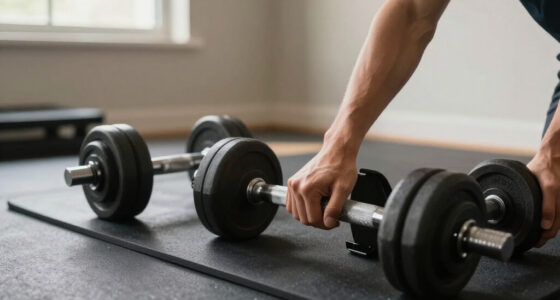
For example, after a set of rows, return each dumbbell to its cradle before turning the dial or moving a pin. Confirm the setting, lift the weight clear, and check that no plate shifts before you begin. That brief pause is easier than discovering mid-repetition that a component has not seated properly.
- Place the dumbbell in its tray on a stable, level surface.
- Set the load as directed, keeping your hands clear of moving parts.
- Confirm the selector or collar is engaged before lifting.
- Return the dumbbell securely to the tray before making another change.
- Inspect and store the set according to the maker’s care instructions.
Keep the area dry and clear of clutter, with enough room to pick up and return each weight safely. Clean and inspect the set as directed, and don’t assume all models share the same maintenance needs. The manual is the authority for impact limits, care, and any parts that need regular checks.
Compare the Full Cost, Footprint, and Support
The real value of adjustable dumbbell sets depends on more than their advertised price: include the tray, accessories, warranty, and availability of replacement parts. A set that saves floor space may still require a stable, accessible storage spot. Measure that area, including room to lift the weights from the tray without striking furniture.
Say you are choosing between two sets for a spare-room gym. One costs less but has a limited range; the other offers more settings and a longer stated warranty. If you rarely train heavy, paying extra for a range you won’t use may not make sense. If selectors or plates are central to daily use, clear warranty terms and parts support may matter more than a small price difference.
Some newer products add app connections or digital weight selection. Those features may suit people who enjoy tracking sessions, but they are not required for effective strength training and can add price or complexity. A simple adjustment system may be a better fit if you want to lift without pairing a device or learning another interface.
Compare the full package: weight range, increment size, adjustment style, dimensions, included tray, warranty coverage, and the manufacturer’s rules for use. Then verify current details directly with the maker, since product designs and availability change. A clear fit between your needs and the set’s support is more useful than a long feature list.
Frequently Asked Questions
Are adjustable dumbbells worth it?
They can be a good fit when you want several weight settings but have little room for a full rack. Their value depends on how often you’ll use them, whether the range suits your exercises, and the set’s price and durability. Compare the complete set, including its tray and warranty.
How heavy should my adjustable dumbbell set be?
Choose a range that covers the exercises and people who will use the set, with some room to progress. Check the lightest and heaviest settings and the size of the jumps between them. A high maximum is not useful if the starting weight or increments don’t suit your workouts.
Are adjustable dumbbells safe for beginners?
They can suit beginners if the starting weight is manageable and you learn the adjustment procedure before lifting. Set the dumbbell in its tray, secure the selector or collar as directed, and confirm the parts are engaged. Follow the manufacturer’s guidance, and ask a qualified professional for advice if you have a pre-existing condition or questions about exercise technique.
Can I drop adjustable dumbbells?
Don’t assume you can. Many manufacturers advise against dropping adjustable models because impact may damage a selector or loosen components. Check your specific model’s instructions and return the weight to its cradle with control.
What is the difference between dial and plate-loaded dumbbells?
Dial and selector systems change the load through a mechanism and usually make adjustments faster. Plate-loaded designs require you to add or remove plates, which takes longer but may keep the hardware simpler. Compare how each feels to adjust and follow its maker’s security instructions.
Do adjustable dumbbells replace a full rack?
One set can cover many exercises and loads while taking less storage space than several fixed pairs. A full rack may still suit you better if you need very fast changes, specialized shapes, or frequent heavy lifting. The right answer depends on your training and the room you have.
Conclusion
Choose adjustable dumbbells by matching their weight steps, adjustment style, and shape to the workouts you’ll actually do. Measure the storage space, check the full cost and warranty, and read the manufacturer’s handling instructions before your first session.
A good set keeps a useful range of weights within reach, ready in its tray beside your mat. That small patch of clear floor can be enough to make strength work feel at home.