

TL;DR

Get workout gear delivered free with Prime
- Fast, free delivery on millions of items
- Prime Video, Amazon Music and more included
- Member-only deals all year
OpenAI has been sued over allegations that ChatGPT gave dangerous health advice. The lawsuit raises questions about AI safety and regulation. Details of the case are still emerging.
OpenAI is facing a lawsuit after allegations that its AI chatbot, ChatGPT, provided dangerous health advice to users. The legal action, filed in a U.S. court, accuses the company of negligence and failure to prevent harm caused by its AI. This case highlights growing concerns about the safety and regulation of AI systems that deliver health-related information, especially as AI tools become more integrated into everyday life.
The lawsuit was filed by an individual who claims to have received misleading and harmful health guidance from ChatGPT. According to the complaint, the AI suggested unverified remedies that could potentially endanger users’ health. OpenAI has not yet issued a detailed response but stated that it aims to improve the safety features of its AI models. Experts note that ChatGPT is designed to generate responses based on training data, but it does not have the capacity for medical diagnosis or advice.Legal analysts say this case could set a precedent for holding AI developers accountable for the content their systems produce, especially in sensitive areas like health. The lawsuit raises broader questions about the regulation of AI and the responsibilities of companies deploying such technology to the public.OpenAI’s AI models are widely used across various sectors, including healthcare, education, and customer service, making this development highly relevant for millions of users and stakeholders concerned with AI safety and ethics.Legal and Safety Implications of AI-Generated Health Advice
This lawsuit underscores the potential risks associated with AI systems providing health-related guidance without proper oversight. As AI becomes more embedded in daily life, the case could lead to increased regulation and stricter safety standards for AI developers. It also raises awareness among users to exercise caution when seeking health information from AI tools, emphasizing that such systems are not substitutes for professional medical advice.
Products Worth Considering
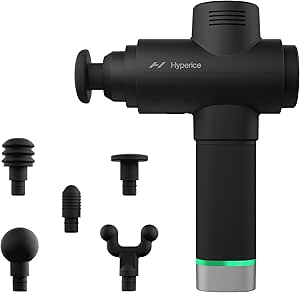
Hyperice Hypervolt 2 Pro Handheld Percussion Massage Gun

Philips Sonicare 5950 Rechargeable Electric Toothbrush with 2 Brush Heads, Pink

Oura Ring 4 Smart Ring – Silver – Size 8
As an affiliate, we earn on qualifying purchases.
Over the past few years, AI models like ChatGPT have been integrated into various platforms offering health tips, symptom checkers, and wellness advice. While these tools can be helpful, experts have repeatedly warned about their limitations and the potential for misinformation. Previous incidents have involved AI providing inaccurate or misleading information, but this lawsuit marks a significant escalation by directly alleging harm caused by AI-generated health guidance.
OpenAI has previously acknowledged the importance of safety measures, including content filtering and user warnings. However, critics argue that more robust safeguards are needed, especially in sensitive areas like health, where misinformation can have serious consequences.
“The AI’s advice was not only unverified but could have led to serious health risks for the user.”
— Legal representative of the plaintiff
Unclear Details on the Case and Its Broader Impact
It is not yet clear how the court will evaluate the claims or whether OpenAI will face regulatory sanctions. The specifics of the advice given by ChatGPT and whether it directly caused harm are still under investigation. Additionally, the broader legal and regulatory responses remain uncertain, as AI safety standards are still evolving.
Next Steps in the Legal and Regulatory Review of AI Safety
The lawsuit is expected to proceed through the legal system, with OpenAI likely to defend its safety protocols and training processes. Regulatory agencies may also increase scrutiny of AI health guidance tools, potentially leading to new standards or legislation. Meanwhile, OpenAI and other developers may accelerate efforts to implement more robust safety features to prevent similar incidents.
Key Questions
What specific health advice was considered dangerous?
The lawsuit alleges that ChatGPT suggested unverified remedies that could pose health risks, but the exact advice has not been publicly detailed yet.
Could this lawsuit impact AI health tools broadly?
Yes, it could lead to increased regulation and safety standards for AI systems providing health information, affecting many developers and platforms.
Is ChatGPT capable of providing medical advice?
ChatGPT is designed to generate responses based on training data and is not a substitute for professional medical advice. It does not diagnose or treat health conditions.
How is OpenAI responding to the lawsuit?
OpenAI has stated it is committed to improving safety features and is reviewing the claims, but has not issued a detailed public response yet.
What are the potential legal consequences for OpenAI?
Depending on the case outcome, OpenAI could face damages, regulatory actions, or increased oversight aimed at ensuring AI safety in health-related applications.
Source: rss