TL;DR
Fit&Well published a first-person review of Yoga With Adriene’s “Yoga for Better Posture” video after the writer tried it following long days at a desk. The writer reported feeling less tension in their shoulders, neck and chest, as well as a quieter mind; this is an individual account, not evidence of a general health benefit.
Fit&Well has published a first-person review of Yoga With Adriene’s “Yoga for Better Posture,” in which the writer says a gentle yoga flow eased their shoulder, neck and chest tension after long days at a desk and left them feeling mentally quieter. The account describes one person’s experience; it does not establish that the routine produces the same effects for other viewers.
The writer says they turned to YouTube after several long desk-bound days left their shoulders, chest and neck feeling tense. They chose a video titled “Yoga for Better Posture” by Adriene Mishler, the instructor known as Yoga With Adriene. The video’s stated focus is the chest, shoulders and upper back, and Mishler presents it as a flow for muscles affected by sitting at a desk.
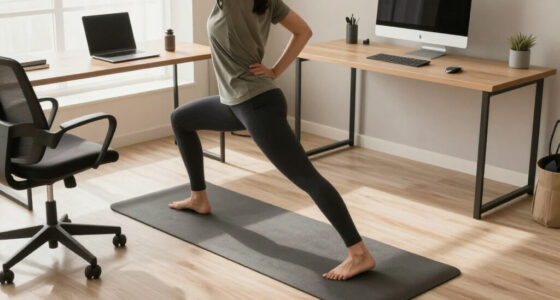
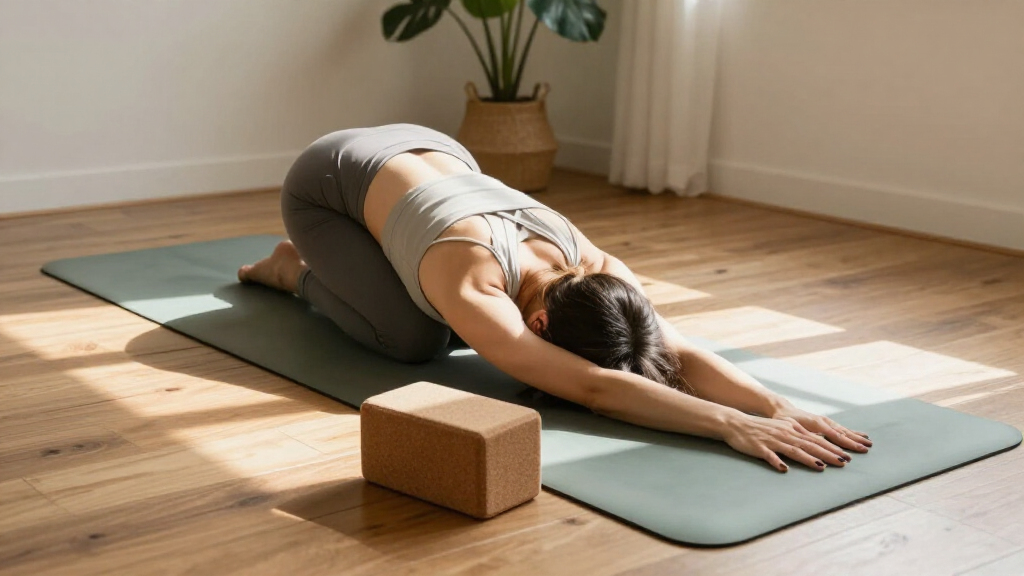
According to the review, the session opened with an invitation to notice tension in the shoulders and upper back. The writer found that inward focus uncomfortable at first and felt an urge to stop, but says they became more at ease as the practice turned toward breathing. The sequence then included low-impact stretches and poses, among them puppy pose, cobra, lunges and glute bridges.
The writer singled out Mishler’s cue to “move at the speed of sensation,” describing it as permission to set an individual pace and stay with stretches that felt appropriate. By the end, they reported relief in the upper body and said their mind felt quieter, with less attention on their to-do list. The review says they would return to the routine when feeling tense, but offers no measurements or follow-up on how long the reported effects lasted.
A Personal Take on Desk Tension
The review speaks to a familiar situation: people who spend long periods at desks may look for accessible movement breaks that address stiffness or tension. This account describes one viewer’s response to a guided routine that requires only an internet video and a mat, and shows that the writer valued both the physical stretches and the slower, breath-focused pace.
Its evidence is limited to a personal report. It cannot show how the routine affects viewers generally, establish that yoga treats a medical condition, or separate the effects of movement, breathing and taking a break from work. Readers can take the piece as a description of one person’s experience, rather than a tested assessment of posture or a clinical finding.
How the Routine Was Described
Yoga With Adriene is the name used by instructor Adriene Mishler for her online yoga offerings. The Fit&Well article focuses on one video, “Yoga for Better Posture | Chest, Shoulders & Upper Back,” rather than comparing several routines or reviewing a broader program.
The writer’s account follows a simple sequence: after desk work and upper-body discomfort, they selected the video, followed its breathing and movement cues, and reflected on how they felt at the end. The source material provides no information about the video’s release date, viewership, duration, or any formal study of its effects.
““Move at the speed of sensation.””
— Adriene Mishler, as quoted in the Fit&Well review
What One Review Cannot Establish
The account does not say whether the writer’s reported relief lasted beyond the session, whether they repeated the routine, or whether other viewers had similar experiences. It also gives no objective assessment of posture, range of motion or muscle tension. The reported benefits are personal observations, and the source provides no clinical evidence that the video prevents or treats pain.
The source excerpt does not identify when the review was published or give further details about the video. It is also unclear whether the writer’s discomfort was ordinary desk-related tension or had another cause. People with persistent pain or a health condition may need advice from a qualified professional before trying movements that cause discomfort.
No Follow-Up Is Reported
The reviewer says they intend to return to the routine when their body and mind feel tense. The source material does not report a scheduled follow-up, a response from Mishler, or additional testing of the video. Any broader conclusion about the routine’s effects would require evidence beyond this single account.
Key Questions
Which Yoga With Adriene video did the reviewer try?
The reviewer tried “Yoga for Better Posture | Chest, Shoulders & Upper Back,” a routine by Adriene Mishler, known as Yoga With Adriene.
What movements were included?
The review mentions puppy pose, cobra, lunges and glute bridges, along with breathing and gentle stretches. It does not provide a full sequence.
What benefits did the writer report?
The writer said their shoulders, neck and chest felt relieved and their mind felt quieter after the session. Those are one reviewer’s reported experiences, not established outcomes for all viewers.
Does the review show that the routine treats posture problems or pain?
No. The article is a personal review and reports no clinical testing or objective posture assessment. It does not establish that the routine treats pain or a medical condition.
What should viewers do if a movement feels uncomfortable?
The reviewer highlights Mishler’s cue to move at the speed of sensation, but the source does not provide individualized medical guidance. Viewers should stop movements that cause pain and seek advice from a qualified professional if they have persistent symptoms or a pre-existing condition.
Source: rss