TL;DR
Design your home gym with durable, versatile equipment and smart space planning. Regular updates and motivation tools keep your workout effective and engaging after a year.
Imagine walking into your home gym a year from now. Will it still feel fresh, functional, and motivating? Or will it become cluttered, outdated, or uninspiring? Building a gym that remains effective long-term isn’t about splurging on the latest gadgets. It’s about smart planning, quality choices, and staying adaptable.
This guide will walk you through how to set up a space that evolves with your fitness goals, withstands regular use, and keeps you coming back. Whether you’re starting fresh or refining an existing setup, these tips help your home gym stay as good as new—even after one year.
How to Plan a Home Gym That Still Works One Year Later
Build for the version of your routine that will exist twelve months from now: durable equipment, flexible zones, clean storage, and small motivation systems that keep the room from turning into clutter.
Design for use, not novelty.
Choose versatile gear, keep the floor clear, review equipment every year, and make the room easy enough to enter on low-motivation days.
Pick a room that can change with you.
A home gym lasts when the space supports more than one workout identity. Leave room for lifting, mobility, cardio, storage, and future upgrades before you buy the centerpiece equipment.
Start with clear floor.
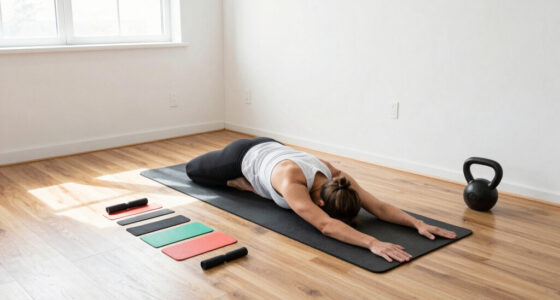
Keep enough open space for lunges, yoga, HIIT, stretching, and safe rack movement. A flat non-slip floor matters more than decorative finishes.
Check air and height.
Prioritize ventilation, lighting, and at least eight feet of ceiling height for overhead work, jumping, and equipment clearance.
Use movable anchors.
A movable mirror, modular rack, wall hooks, and flexible lighting let the room evolve without a full redesign when goals shift.
Buy fewer things that earn their floor space.
Durable, versatile equipment keeps the gym safe and useful after the first rush fades. Warranties, reinforced handles, stable frames, and positive user reviews are boring details that pay off.
| Feature | Traditional Equipment | Space-Saving Equipment | One-Year Impact |
|---|---|---|---|
| Size | Large fixed units like full-size treadmills | Foldable benches, compact cardio, adjustable weights | ✓ More floor space for mixed routines |
| Storage | Requires dedicated permanent zones | Wall-mounted, modular, or tuck-away designs | ✓ Less clutter and faster setup |
| Cost | Higher upfront spend for bigger models | Flexible entry points with room to upgrade | ~ Better value when quality is high |
| Durability | Can be excellent, but expensive and bulky | Varies widely; warranties matter | ~ Inspect hinges, bolts, bands, and frames |
| Routine Variety | Often tied to one exercise mode | Supports strength, cardio, mobility, and classes | ✓ Easier to avoid boredom |
Build the year-one operating system.
Think of your gym as a workflow: enter quickly, start easily, train safely, clean down, and adjust before the room starts fighting your habits.
Zone
Separate lifting, cardio, mobility, and storage so equipment has a home.
Equip
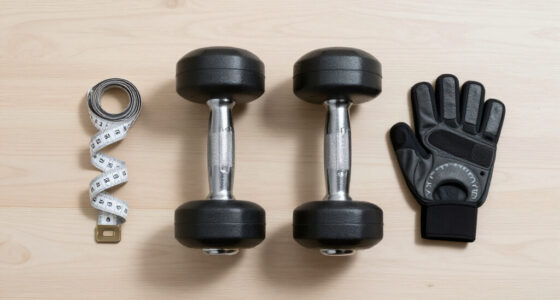
Choose adjustable dumbbells, bands, kettlebells, and a sturdy bench first.
Motivate
Add sound, screen access, a mirror, goals, and fresh programming.
Maintain
Wipe surfaces, tighten hardware, replace worn mats, and check bands.
Upgrade
Add new tools only when they solve a real gap in your training.
Use data to keep the room honest.
The best home gym balances readiness, flexibility, and upkeep. If one area falls behind, the room becomes harder to use even when the equipment is technically good.
Long-term usefulness score
Space planning spectrum
Small rooms work when gear folds, hangs, stacks, or performs multiple jobs. Bigger rooms still fail when storage and maintenance are ignored.
Dedicated area with safe flooring and airflow.
Compact gear that reduces setup friction.
Storage that keeps handles, mats, and bands visible.
Annual review for wear, upgrades, and stale routines.
Consistency is designed before it is earned.
Every reliable home gym links space, equipment, motivation, and maintenance into one loop. Break the loop and the room starts feeling like storage.
Fast answers before you start buying.
Most long-term home gym problems are predictable: not enough room, too much equipment, weak storage, and no maintenance rhythm.
How much space do I need?
A practical minimum is 100-150 square feet for essentials like a bench, rack, dumbbells, and compact cardio, with eight-foot ceilings preferred.
What should I buy first?
Start with adjustable dumbbells, resistance bands, kettlebells, a sturdy bench, mats, and storage before adding specialty machines.
How do I keep it motivating?
Keep the room clean, add music or virtual classes, track goals, rotate workouts, and make small annual upgrades before the setup feels stale.
Key Takeaways
- Choose a dedicated, adaptable space with proper ventilation and ceiling height.
- Invest in high-quality, multi-use equipment with warranties to last over time.
- Use space-saving gear and smart storage to keep your gym organized and inviting.
- Add entertainment options and motivational touches to stay engaged after one year.
- Regularly inspect, clean, and update your equipment to maintain safety and effectiveness.
How to Pick a Space That Grows With You
Your home gym’s success hinges on choosing a spot that can handle your workouts today and in the future. Look for a dedicated area with enough room for movement and equipment. High ceilings, good ventilation, and a flat, non-slip floor make a big difference.
For example, a spare bedroom or a garage with 120 square feet can comfortably fit a squat rack, a bench, and some cardio gear. Think about your favorite workouts—yoga, weightlifting, HIIT—and make sure the space supports all of them comfortably.
Investing in a flexible layout means you won’t need to overhaul the entire room when your goals shift. A moveable mirror, a sturdy rack, and thoughtful lighting help create a welcoming environment that adapts over time.
Choose Equipment That Lasts and Verses Changing Trends
Focus on versatile, durable gear that can handle daily use. Adjustable dumbbells, kettlebells, resistance bands, and a sturdy bench are essentials. Prioritize quality over quantity—cheaper equipment wears out fast and can become a safety hazard.
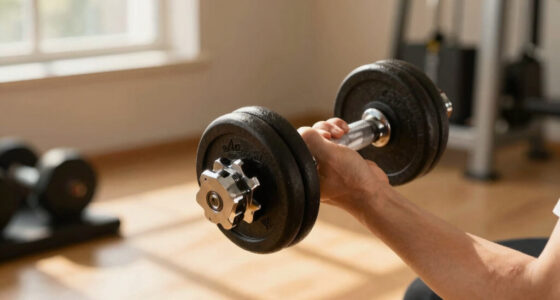
For instance, investing in a set of high-quality resistance bands with reinforced handles saves money in the long run. A good pair of adjustable dumbbells can replace a rack of fixed weights, saving space and offering variety.
According to gymbeacon.com, equipment with warranties and positive user reviews tends to last longer and stay safe to use after one year of regular workouts. This longevity is crucial because replacing worn-out gear frequently can be costly and disruptive, undermining your long-term consistency and safety in your fitness routine.
Choosing durable, versatile equipment isn’t just about longevity; it also impacts your motivation. Reliable gear that performs well keeps you confident and less likely to get frustrated with breakdowns or safety concerns. Moreover, investing in quality means fewer replacements over time, which saves money and reduces the hassle of constantly upgrading your setup.
Compare Space-Saving Equipment to Maximize Your Room
| Feature | Traditional Equipment | Space-Saving Equipment |
|---|---|---|
| Size | Large, fixed units like full-size treadmills | Foldable or compact options, like foldable benches |
| Storage | Requires dedicated space | Modular, tuck-away designs |
| Cost | Higher for bigger, durable models | More affordable, with flexible options |
For example, a foldable treadmill can be stored against a wall when not in use, freeing up space for other workouts or stretching routines. Combining such equipment with compact storage solutions keeps your gym neat and accessible after one year. The key is understanding that space-efficient equipment not only saves room but also encourages regular use by reducing setup time and clutter, which can otherwise become barriers to consistent workouts over time.
Opting for space-saving equipment means you’re investing in flexibility that adapts to your evolving needs. It allows you to expand or change your workout routines without needing a complete overhaul of your space. However, it’s important to weigh the initial investment against long-term benefits—sometimes, slightly more expensive space-efficient gear offers better durability and functionality, which pays off over years of use.
Create a Flexible, Motivating Environment
Staying motivated after a year means making your gym inviting and engaging. Install a mounted TV, Bluetooth speakers, or an iPad holder for virtual classes. Bright, energizing colors on the walls and a mirror to check your form boost confidence.
Imagine starting your morning with a quick cardio session while listening to your favorite playlist—these small touches turn exercise into a pleasure, not a chore. Keep your space clutter-free with smart storage and regularly update your playlist or workout app to keep things fresh.
According to gymbeacon.com, incorporating technology and entertainment options can increase workout adherence and enjoyment over the long haul. The goal is to create an environment that not only looks appealing but also reduces mental barriers to working out consistently, making it easier to stay committed as your motivation naturally fluctuates over time.
Maintain Equipment and Refresh Your Setup Annually
Regular care keeps your gym equipment safe and functional. Wipe down surfaces after each use, check for loose bolts, and replace worn-out resistance bands or mats.
Schedule an annual review—consider replacing or upgrading key pieces. For example, after one year, you might find your treadmill’s belt showing signs of wear, or your adjustable dumbbells feeling loose. Addressing these issues promptly prevents injuries and keeps your workout smooth. Recognizing the signs of wear early allows you to plan upgrades or repairs that prevent longer-term damage and safety hazards, which could otherwise lead to costly replacements or injuries. This proactive approach ensures your gym remains a safe and motivating environment rather than a space that inadvertently discourages use due to equipment failure or safety concerns.
Keeping your equipment in top shape means you can trust it during every workout, reducing the risk of accidents and frustrations that can derail your progress. Small annual updates—like replacing worn mats or adding a new piece of gear—can make a big difference in maintaining a fresh, inspiring atmosphere that encourages continued use and progress.
How to Keep Your Home Gym Effective Over Time
- Prioritize quality equipment with warranties.
- Design a flexible layout that can evolve.
- Regularly clean and inspect your gear.
- Stay motivated with entertainment and goals.
- Gradually expand or upgrade as needed.
For example, adding a smart mirror or a compact rowing machine can refresh your routine without major overhaul. Keep your space organized with storage that adapts to your growing collection of gear. The importance of continuous evaluation and strategic upgrades cannot be overstated; it ensures your gym remains aligned with your evolving fitness level and preferences, preventing stagnation. Investing in modular or adaptable equipment makes it easier to incorporate new exercises or routines, which is essential for long-term engagement and progress.
Remember, a little planning today ensures your home gym remains a motivating, effective space long after the initial setup. Regularly reassessing your equipment and space layout will help you identify when upgrades are needed, ensuring your gym continues to serve your evolving fitness needs and keeps you motivated for years to come.
Frequently Asked Questions
How much space do I really need for a home gym that lasts?
A minimum of 100-150 square feet can comfortably fit essential equipment like a squat rack, a bench, and cardio gear. High ceilings (at least 8 feet) support safe lifting and movement. Think about future needs—leaving room to expand helps your gym stay useful over time.
What are the best budget-friendly options that still last?
Look for adjustable dumbbells, resistance bands, and foldable cardio equipment. Brands with good warranties and positive reviews—like certain kettlebells or mats—offer durability without breaking the bank. Remember, investing in quality gear reduces replacement costs down the line.
How do I keep my gym motivating after a year?
Incorporate entertainment like a mounted TV or Bluetooth speakers. Mix up your routines with new apps or classes. Small aesthetic updates—fresh paint, new mats—boost enthusiasm. Regularly setting new goals helps keep your focus sharp.
What safety steps should I follow?
Inspect equipment regularly for loose parts or wear. Use non-slip flooring and ensure proper spacing between machines. Always warm up to prevent injuries, and consider professional advice if you have pre-existing health concerns.
How can I adapt my gym as I progress?
Add new equipment, upgrade existing gear, or reconfigure the space. For example, if you start running more, a compact treadmill or jump rope station can be a good upgrade. Staying flexible ensures your gym grows with your fitness journey.
Conclusion
Building a home gym that stays effective for years isn’t about chasing every new trend. It’s about making smart choices now—durable equipment, flexible space, and ongoing upkeep. Your future self will thank you for a setup that motivates, supports, and adapts to your changing needs.
Think of your gym as a living space—something you nurture and refine. Keep it simple, stay consistent, and your workout space will serve you well for many years to come.