TL;DR
A workout corner is a small, versatile space for quick routines, while a home gym is a dedicated, larger area for comprehensive training. Your choice depends on space, budget, and goals.
Imagine having a corner of your living room turned into your personal fitness spot—simple, accessible, inviting. Or picture transforming an entire spare room into a mini gym, packed with equipment to push your limits.
Understanding the difference between a workout corner and a home gym isn’t just about size—it’s about how you want to move, what you want to achieve, and how much space and money you’re willing to invest. This guide breaks down what sets them apart, so you can create a setup that works for your lifestyle.
Home Fitness Decision Guide
The Real Difference Between a Workout Corner and a Home Gym
A workout corner is a small, versatile space for quick routines. A home gym is a dedicated, larger area for comprehensive training. The real difference is not just square footage; it is how often you move, what you want to achieve, and how much space, budget, and upkeep you are ready to commit.
Corner
Best for daily consistency, stretching, yoga, light strength work, and busy schedules where quick access matters most.
Gym
Best for serious training, progressive strength work, cardio variety, and people who want one dedicated room for fitness.
Rule of Fit
Choose the setup that removes friction. A smaller space used often beats a larger space that feels expensive, cluttered, or intimidating.
Two Setups, Two Different Jobs
Both can support healthy habits, but they solve different problems. A corner prioritizes access and simplicity. A gym prioritizes range and progression.
Workout Corner
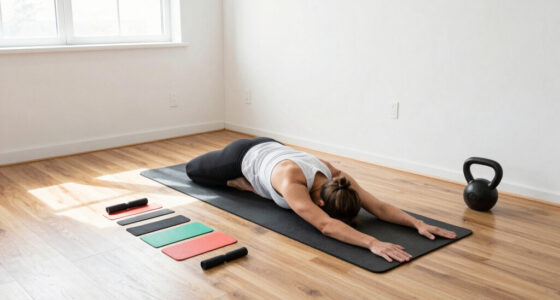
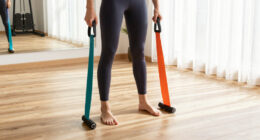
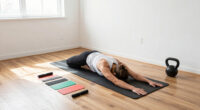
A small zone in a living room, bedroom, office, or apartment corner. Keep a mat, resistance bands, light dumbbells, and a mirror within reach.
Home Gym
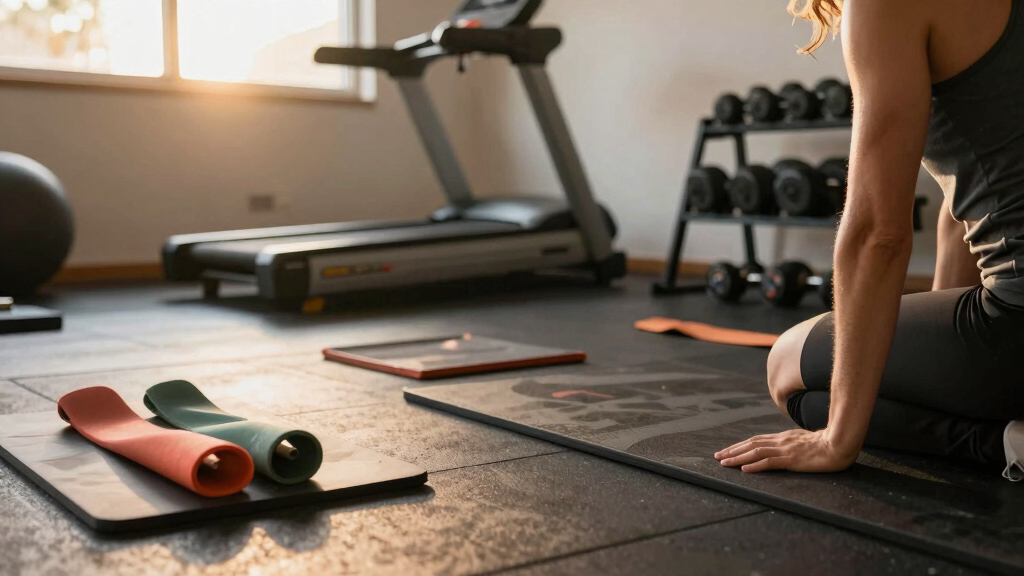
A dedicated room or large area with multiple training stations, such as a rack, bench, treadmill, bike, weights, and storage.
Modern Middle
Compact equipment, virtual classes, and remote work have blurred the line. Many homes now combine a small corner with expandable gear.
Side-by-Side Comparison
Use this table to match your setup to your actual life: available space, training goals, budget comfort, and the level of maintenance you are willing to handle.
| Feature | Workout Corner | Home Gym | Decision Signal |
|---|---|---|---|
| Space Needed | 4×4 feet or less | 100+ square feet | ✓ Corner wins for apartments and shared rooms. |
| Cost | Low, often under $200 for basics | Several hundred to thousands | ~ Gym pays off when you replace regular gym use. |
| Equipment Variety | Limited but efficient | Extensive and expandable | ✓ Gym wins for strength progression and cardio variety. |
| Best Purpose | Quick routines, stretching, yoga, light strength | Full training, heavy lifting, specialized workouts | ~ Match the setup to the workouts you will repeat. |
| Tradeoff | ✗ Less variety and intensity | ✗ More upkeep, cost, and floor space | ✓ The right choice reduces friction, not just expense. |
How to Decide in Five Steps
The best setup is the one your schedule, room, and goals can sustain. Move through these filters before buying equipment.
Assess Space
Do you have only a corner, or can you dedicate a spare room with safe clearance?
Set Budget
Start small if you need essentials; invest more only when training demands it.
Define Goals
Quick daily movement points to a corner; serious progression points to a gym.
Check Schedule
Short sessions need instant access. Longer routines benefit from a full zone.
Plan Growth
Choose storage and equipment that can expand without turning into clutter.
Space, Cost, and Training Range
A workout corner is optimized for consistency. A home gym is optimized for capability. The chart below shows how the tradeoffs shift as your setup grows.
Relative Setup Demands
Capability Spectrum
If your goal is general health and quick movement, the left side is enough. If your goal is strength progression, endurance training, or competition prep, the right side gives you more room to advance.
Make Any Setup Work Harder
Small spaces improve dramatically when equipment is compact, visible, and easy to put away. Bigger rooms stay useful when safety, airflow, and organization are treated as part of the design.
Choose Multi-Use Gear
Adjustable dumbbells, resistance bands, foldable benches, yoga blocks, and jump ropes cover more routines with less clutter.
Use Vertical Storage
Wall hooks, racks, and shelves keep mats, bands, handles, and towels off the floor so the space feels ready.
Prioritize Safety
Use non-slip flooring, protect surfaces with mats, and leave at least two feet of clearance around lifting stations.
Design for Comfort
Add ventilation, mirrors for form, cushioning for high-impact work, and noise-reducing mats where needed.
Trace the Choice from Lifestyle to Layout
Common Questions, Clear Answers
A fitness space does not have to be elaborate to be effective. It has to be ready, safe, and aligned with the way you actually train.
Can a workout corner really help with consistency?
Yes. A dedicated corner lowers the barrier to starting. When your mat and small gear are already in place, short routines are easier to repeat.
When is a home gym worth it?
It is worth it when you train multiple times per week, need heavier equipment, want cardio options, or would otherwise spend time and money commuting to a gym.
What should a beginner buy first?
Start with a mat, resistance bands, adjustable dumbbells, and storage. Add cardio or strength equipment only when your routine proves you need it.
What is the smartest small-space upgrade?
Vertical storage. Keeping gear visible but organized makes a small area feel intentional, inviting, and easier to use every day.
Key Takeaways
- A workout corner offers convenience and is perfect for quick, light routines in small spaces.
- A home gym provides a versatile, comprehensive environment for serious training but requires more space and budget.
- Assess your space, goals, and budget carefully before choosing to optimize your setup.
- Smart storage and multi-functional gear maximize limited space and boost motivation.
- Safety and comfort should be priorities in any fitness space to prevent injury and encourage consistency.
What Is a Workout Corner and Why It Might Be Perfect for You
A workout corner is a small, dedicated space—often just a corner of a room—where you keep a few key pieces of equipment. Think yoga mats, resistance bands, a couple of dumbbells, maybe a mirror. It’s all about convenience and quick access.
For example, Sarah, who lives in an apartment, set up a 4×4 foot corner near her window. It’s perfect for her morning stretches, quick strength routines, and meditation. She doesn’t need a lot of space, and it fits into her busy schedule.
These corners are great for daily habits, light workouts, or adding variety without the hassle of a full setup. The key is simplicity and accessibility, making it easy to stick with your routine.
Choosing a workout corner also means recognizing the tradeoff: while it’s highly accessible, it limits the variety and intensity of workouts you can perform. If your goals include building significant strength or endurance, you might find this setup restrictive over time. However, for maintaining general health and quick sessions, it’s often enough.
What Makes a Home Gym Different (And Why It Matters)
A home gym is a dedicated room or large area with multiple pieces of equipment—treadmills, weight racks, benches, ellipticals. It’s built for serious training, offering a broader range of workouts.
For example, Mark turned his spare bedroom into a 150-square-foot gym. He has a squat rack, a treadmill, and a set of adjustable dumbbells. This space allows him to do everything from cardio to heavy lifting, all at home.
The main advantage? Flexibility. You can do different workouts without packing up and moving around. Plus, it saves trips to the gym and can be tailored to your specific goals.
However, the tradeoff is that creating a full gym requires significant space and financial investment. It also demands ongoing maintenance and organization to keep the space functional and inviting. For those with ambitious fitness goals—like preparing for competitions or training multiple times a week—this setup provides the necessary variety and equipment to progress effectively. For others, it might be more space and cost than needed, so consider your long-term commitment to fitness before investing heavily.
Compare the Space and Cost: Workout Corner vs. Home Gym
| Feature | Workout Corner | Home Gym |
|---|---|---|
| Space Needed | 4×4 feet or less | 100+ square feet |
| Cost | Low (under $200 for basics) | High (several hundred to thousands) |
| Equipment Variety | Limited | Extensive |
| Purpose | Quick routines, light workouts | Full training, serious fitness |
While a workout corner requires minimal space and investment, it inherently limits the scope of exercises you can perform, which may slow your progress if your goals evolve. Conversely, a home gym offers a comprehensive environment that supports a wide range of training needs but demands more space, money, and upkeep. Your decision should weigh these factors against your fitness ambitions, available space, and budget constraints.
How to Decide: Workout Corner or Full Home Gym?
Follow these steps:
- Assess your space: Do you have a spare room or just a corner?
- Set your budget: Are you comfortable investing in equipment?
- Define your goals: Quick daily movement or serious training?
- Consider your schedule: Will you need quick access or multiple hours?
- Think about flexibility: Do you want to expand over time?
For example, if your apartment is tight on space but you want consistent movement, a workout corner makes sense. If you have a dedicated room and want serious results, a home gym might be the way to go.
Deciding between the two ultimately depends on your commitment level and how your fitness goals align with your available resources. A smaller setup encourages consistency with less effort, while a larger setup offers more variety and potential for growth, but requires a bigger investment of time and money.
Tips to Maximize Small Spaces and Make Them Work for You
- Choose multi-functional equipment—foldable benches, adjustable dumbbells.
- Use vertical storage—wall-mounted racks or hooks for mats and bands.
- Opt for compact cardio—under-desk ellipticals, foldable treadmills.
- Keep it tidy—clutter-free spaces motivate you to move more.
Imagine a 3×3 foot corner with a foldable treadmill, wall-mounted resistance bands, and a yoga mat. The key is to select equipment that serves multiple purposes and fits seamlessly into your space. This approach not only maximizes functionality but also encourages regular use, as clutter and complexity can discourage workouts. Remember, the goal is to create an inviting environment that seamlessly integrates into daily life, making exercise an easy and enjoyable habit.
Safety and Comfort: Setting Up Your Home Fitness Space
Safety starts with proper setup. Place equipment on non-slip surfaces, ensure enough clearance around machines, and use mats to protect floors. For example, when setting up a weight rack, leave at least 2 feet of space for safe lifting.
Comfort matters too. Use mats for cushioning, adjust mirrors for proper form, and ensure good ventilation. If you’re doing high-impact moves, consider soundproofing or noise-reducing mats to keep peace at home.
Investing in safety and comfort not only prevents injuries but also encourages longer, more consistent workouts. An uncomfortable or unsafe space can lead to distractions, poor form, or accidents, which diminish motivation and progress. Therefore, take the time to arrange your equipment thoughtfully, prioritize proper flooring and ventilation, and create an environment where you feel secure and motivated to exercise regularly.
Making Your Space Versatile for All Kinds of Workouts
To get the most out of your setup, include equipment that covers different workout types—strength, cardio, flexibility.
For example, add adjustable dumbbells, a jump rope, a yoga block, and a foldable bike. This variety keeps your routines fresh and adaptable, whether you want a quick HIIT or a calming stretch session.
Designing your space for versatility means thinking ahead about how your needs might evolve. Incorporate equipment that can serve multiple functions, and consider storage options that allow easy swapping or addition of new gear. This flexibility not only saves space but also keeps your motivation high as you can continually challenge yourself with new routines, preventing plateaus and boredom.
Frequently Asked Questions
Can a small workout corner really help me stay consistent?
Absolutely. A dedicated corner makes it easy to fit quick routines into your day, lowering the barrier to starting. When your space is ready and inviting, you’re more likely to stick with your habits.
How much should I budget for a basic home gym?
You can start with essentials for around $300 to $500—like adjustable dumbbells, a yoga mat, and resistance bands. Adding larger equipment like a treadmill or weight rack will increase costs, but you can build gradually.
Is a workout corner enough for weight loss or strength gains?
For many, yes—especially if you use it consistently with varied routines. However, for serious strength gains or advanced training, a full gym setup offers more options and heavier equipment.
What’s the best equipment for a beginner’s home gym?
Start with adjustable dumbbells, resistance bands, a stability ball, and a jump rope. These versatile items cover most beginner routines without overwhelming your space or budget.
How can I make my small gym feel less cramped?
Use vertical storage, choose foldable or multi-use equipment, and keep the floor clear. Good lighting and a mirror also make the space feel larger and more inviting.
Conclusion
Deciding between a workout corner and a full home gym boils down to your space, your goals, and how much you’re ready to invest. Both can support your fitness journey—just in different ways.
Imagine that corner as your daily escape or that full gym as your personal training zone. Either way, your best workout space is the one that gets you moving and keeps you coming back.