
TL;DR
Researchers are developing a new at-home test that can detect infected ticks, potentially improving early Lyme Disease diagnosis. The test is still in experimental stages, with validation ongoing. If successful, it could offer a convenient tool for consumers and health providers.
Researchers are developing an at-home testing kit that can identify whether a tick is infected with Lyme Disease bacteria, offering the potential for earlier detection and intervention. The development aims to empower consumers to assess tick bites quickly and conveniently, which could improve diagnosis and treatment outcomes.
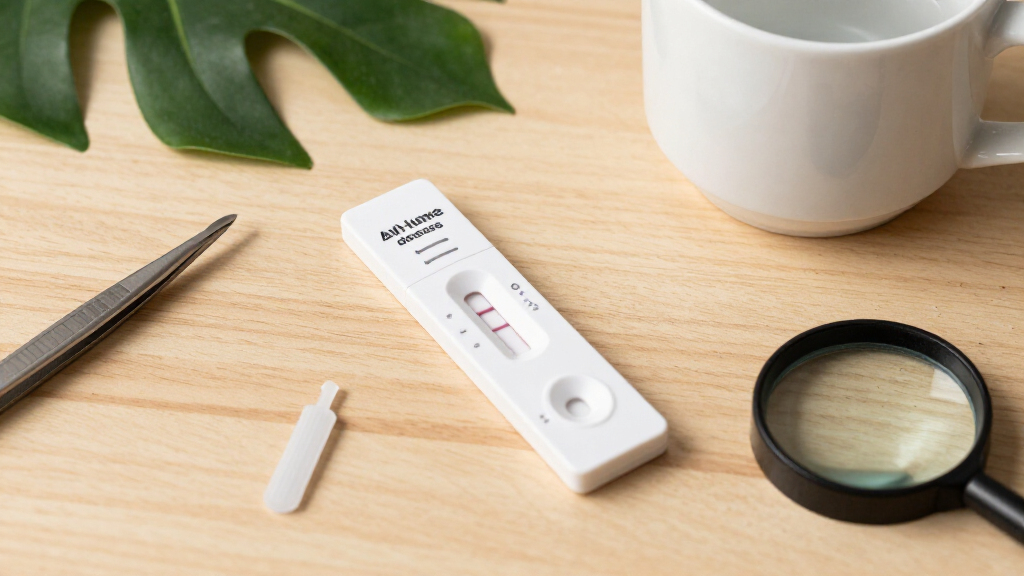
The new test, currently in the experimental phase, involves collecting a tick and performing a simplified analysis at home to determine if it carries Borrelia burgdorferi, the bacteria responsible for Lyme Disease. This approach could help individuals decide whether to seek medical attention promptly, potentially reducing the delay in diagnosis that often occurs with traditional testing methods.
According to scientists involved in the project, the test uses a portable device that analyzes tick samples for bacterial DNA, with results available within hours. The researchers emphasize that the test is not yet commercially available and is undergoing validation in laboratory and field studies to ensure accuracy and reliability.
Potential Impact on Early Lyme Disease Detection
If validated, this at-home tick test could significantly improve early detection of Lyme Disease by enabling individuals to quickly assess tick infection status after outdoor exposure. Early diagnosis is critical for effective treatment, and this tool could reduce reliance on clinical testing alone, which often occurs days or weeks after a bite. Improved detection may lead to better health outcomes and reduce long-term complications associated with delayed treatment.
Current Challenges in Lyme Disease Diagnosis and Prevention
Lyme Disease is the most common vector-borne illness in North America and Europe, transmitted primarily through tick bites. Diagnosis typically relies on symptom assessment and laboratory testing, which can take days and sometimes yield false negatives in early stages. Prevention methods include avoiding tick habitats and using repellents, but these are not always effective.
Recent efforts focus on improving early detection, including research into rapid, accessible testing options. The development of an at-home tick test aligns with this trend, aiming to empower individuals and reduce the time between exposure and diagnosis.
“Our goal is to make tick testing accessible and straightforward, so people can make informed decisions right after outdoor activities.”
— Dr. Lisa Chen, lead researcher at TickTech Labs
Validation and Accuracy of the At-Home Tick Test
It is not yet confirmed how accurate or reliable the at-home test will be once fully validated. Ongoing studies are assessing its sensitivity and specificity, but results are still pending. Regulatory approval and clinical validation are also required before the product can be marketed for consumer use.
Next Steps for Development and Regulatory Approval
The researchers plan to complete validation studies over the next 12-18 months, aiming for peer-reviewed publication of their findings. Concurrently, they will seek regulatory approval from health authorities to ensure safety and efficacy. If successful, commercial production and distribution could follow within the next few years, offering a new tool for Lyme Disease prevention.
Key Questions
How does the at-home tick test work?
The test involves collecting a tick after outdoor exposure and using a portable device to analyze the sample for bacterial DNA, providing results within hours.
Is this test already available for consumers?
No, the test is currently in experimental validation stages and is not yet available commercially.
Can this test replace clinical diagnosis?
Not yet. The test aims to supplement existing methods by providing early information, but professional medical evaluation remains essential for diagnosis and treatment.
What are the limitations of the current development?
The main limitations include ongoing validation to ensure accuracy and the need for regulatory approval before it can be marketed for general use.
How could this impact Lyme Disease prevention?
If validated, it could enable quicker assessment of tick bites, leading to earlier treatment and potentially reducing disease severity and long-term health issues.
Source: hn