TL;DR

Get workout gear delivered free with Prime
- Fast, free delivery on millions of items
- Prime Video, Amazon Music and more included
- Member-only deals all year
Fit&Well published instructions for a single-leg supine windshield wiper, a gentle movement that the writer uses to target hip tightness and loosen the lower body. The pose can be done lying on a bed or floor; the report offers personal experience and guidance, not clinical evidence that it treats hip pain or a medical condition.
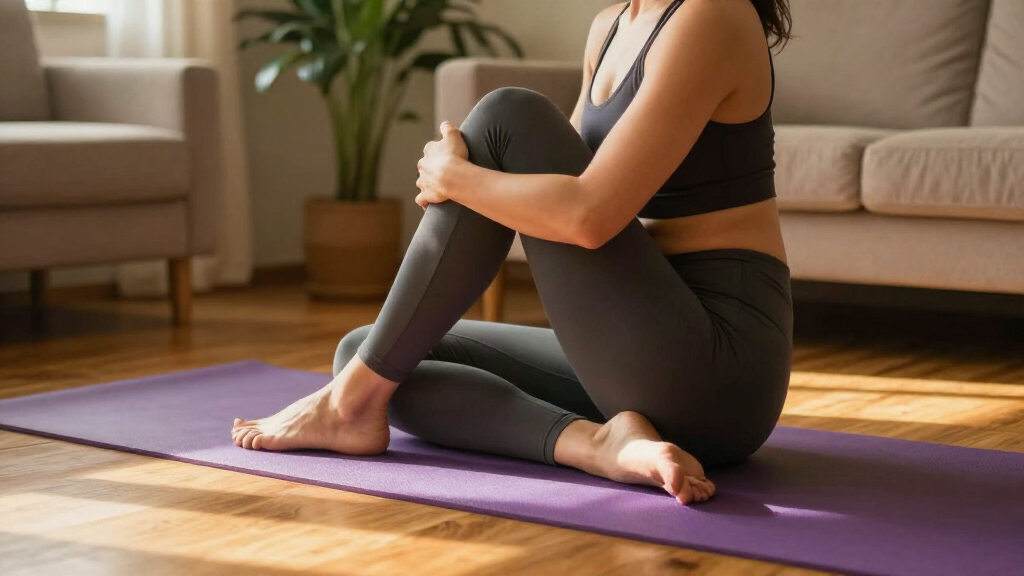
Fit&Well has published instructions for a single-leg supine windshield wiper, a gentle yoga movement its writer says they use when their hips feel tight, similar to this beginner-friendly yoga flow. The pose is performed lying on the back and can be done in bed or on the floor, making it an accessible option for people seeking a brief mobility routine without getting onto a mat.
The movement begins with the person lying on their back, knees bent and feet flat on the bed or floor, set slightly wider than hip-width apart. The arms can rest beside the body, palms facing down, or be bent at the elbows in a cactus shape. From that position, the practitioner lowers one knee toward the floor near the opposite foot, holds the position for three to five breaths, then returns to the start and repeats on the other side.
Fit&Well recommends three to five repetitions on each side. The writer says they prefer the single-sided variation because it allows attention to be directed to one hip at a time, while noting that two-leg variations are also possible. The motion may be coordinated with breathing: lower the knee while exhaling and bring it back up while inhaling. The report presents this as an adaptable, gentle twist rather than a demanding sequence.
The writer describes using the pose in their yoga therapy work for hip discomfort and as a way to energize the lower body after waking. They also characterize it as calming and grounding. Those are the writer’s experience and description; the supplied report does not cite a clinical study showing that this particular pose relieves pain, corrects a condition or produces emotional-health outcomes.
A Low-Barrier Morning Movement
The bed-based setup may make the movement easier to try for people who do not want to get up for a mat-based routine or who prefer a short stretch before starting the day. Its instructions are limited to one movement, each side and a few breaths, rather than a full class or extended workout. That simplicity is the practical appeal of the report.
However, ease of access should not be confused with proven treatment. The article does not establish how much hip tightness the pose can ease, how quickly someone might notice a difference, or whether it is suitable for every cause of discomfort. Readers with persistent pain, an injury or a health condition affecting movement should seek advice from a qualified health professional before relying on a new exercise.
Products Worth Considering

Therabody Theragun Relief Massage Gun, 3-Speed, Black

Fitbit Sense 2 Health and Fitness Smartwatch – Shadow Grey/Graphite

Garmin Forerunner 70 GPS Running Smartwatch, 43 mm, Black
As an affiliate, we earn on qualifying purchases.
How the Pose Is Performed
The Fit&Well report frames the pose around consistency rather than complexity. Its writer says that when one area feels tight, they often choose one or two poses aimed at that discomfort and continue them for a week or longer. That is a personal approach described in the article, not a prescribed schedule or a claim that a week of practice will produce a particular result.
The movement uses a bent-knee position and a controlled side-to-side lowering of one knee. The report offers a breathing option and allows different arm positions, but gives no detailed guidance on modifying the pose for specific injuries, pregnancy, limited mobility or mattress firmness. The source also does not provide a publication date, independent expert review or clinical evidence for the benefits described.
“What counts is consistency.”
— Fit&Well report writer
Benefits and Individual Suitability
The supplied material does not identify the date of publication or cite research testing this pose. It is therefore unclear what evidence supports the report’s descriptions of hip and lower-back tension relief, or how consistently people might experience those effects. The writer’s account of using the pose in yoga therapy work is personal and professional experience, not proof of a clinical outcome.
The source also does not set out safety modifications for people with existing hip or back conditions, recent surgery, injury or pain during movement. A comfortable range of motion is not specified. The instructions are general, and readers should stop if the movement causes pain or unusual symptoms and consult a clinician about individual concerns.
What Readers Can Expect
The Fit&Well item provides a short routine readers can try at home: lie on the back, lower one bent knee across the body, hold for three to five breaths, and repeat on the other side. It does not announce a study, medical recommendation or follow-up assessment. No further evidence or update is included in the supplied material.
For readers considering the pose, the next step is to use the movement only within a comfortable range and adapt or stop it if it causes discomfort. Anyone with ongoing symptoms or a condition that could affect safe movement can ask a health professional for individualized guidance. Whether the pose eases tightness for a particular person remains individual and is not established by the report.
Key Questions
What is the single-leg supine windshield wiper?
It is a lying-down movement in which the knees are bent and one knee is lowered toward the floor near the opposite foot, then returned to the starting position. The movement is repeated on the other side.
Can the pose be done in bed?
Yes. Fit&Well says it can be done lying on a bed or on the floor. The article does not compare how the movement feels on different surfaces.
How many repetitions and breaths does the guide suggest?
The report suggests three to five repetitions per side and holding each lowered-knee position for three to five breaths.
Is the pose proven to treat hip pain?
The supplied report does not cite clinical research showing that the pose treats hip pain or a medical condition. The benefits described reflect the writer’s experience and should not be read as a treatment guarantee.
Should someone with an existing hip or back problem try it?
The source gives no condition-specific safety guidance. People with an injury, ongoing pain or a health condition affecting movement should ask a qualified health professional for advice, and stop if the movement causes pain.
Source: fitandwell.com