
TL;DR
Researchers have introduced a new sustainable spirulina cultivation process aimed at combating vitamin B12 deficiency. The development could offer an environmentally friendly alternative to traditional supplements, though details remain emerging.
Researchers have announced a breakthrough in sustainable spirulina cultivation designed to address vitamin B12 deficiency, a common nutritional shortfall affecting millions worldwide. The development, confirmed by the research team, aims to provide an eco-friendly alternative to traditional B12 supplements and fortified foods, potentially transforming nutritional strategies globally.
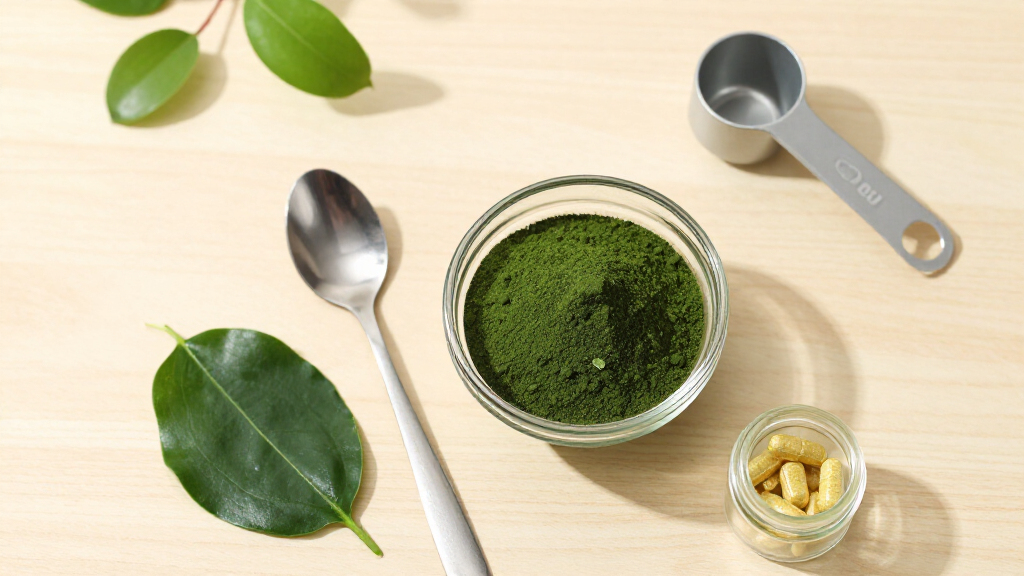
The research team, based at a university specializing in sustainable food sources, has developed a new cultivation method that reduces environmental impact while increasing the bioavailability of vitamin B12 in spirulina, a blue-green algae already popular as a dietary supplement. According to the team, this approach involves optimizing growth conditions using renewable energy sources and minimal water inputs, making it a more sustainable option than conventional production methods.
Initial laboratory tests indicate that the spirulina produced through this method contains significantly higher levels of bioavailable vitamin B12, which is crucial for nerve function and red blood cell production. The researchers emphasize that this could help address deficiencies especially in vegetarian and vegan populations, who often struggle to obtain sufficient B12 from plant-based diets alone. However, the full scale-up process and real-world efficacy are still under evaluation, and peer-reviewed publication is pending.
Potential Impact on Global Nutritional Strategies
This innovation could have substantial implications for global health, particularly in regions where access to traditional B12 sources like meat, dairy, and fortified foods is limited. By providing a sustainable, plant-based source of vitamin B12, the new spirulina cultivation method may help reduce reliance on animal products and environmentally intensive manufacturing processes. Experts suggest that if scalable, this approach could contribute to more sustainable nutrition policies and lessen the environmental footprint of supplement production.
Moreover, the development aligns with growing consumer demand for plant-based, eco-friendly health products. It could also support efforts to combat malnutrition and micronutrient deficiencies in vulnerable populations, although clinical validation and regulatory approvals are still forthcoming.
Growing Interest in Sustainable Nutritional Solutions
Interest in sustainable food sources and nutritional supplements has surged over recent years, driven by environmental concerns and dietary shifts toward plant-based diets. Spirulina, already recognized for its high protein content and nutrient density, has been studied as a vitamin B12 source, but production methods have faced criticism for environmental impacts. This recent development appears to be a response to these concerns, though the specific research details remain unconfirmed publicly.
Historically, vitamin B12 deficiency affects an estimated 6-15% of populations in developed countries and a higher percentage in developing regions, with symptoms including fatigue, neurological issues, and anemia. Current solutions rely heavily on animal products or synthetic supplements, which may have environmental or accessibility limitations. The new sustainable cultivation approach could potentially address these issues, pending further validation.
Unconfirmed Details on Production Scale and Efficacy
It is not yet clear how quickly this sustainable cultivation method can be scaled for commercial use or how effective the produced spirulina will be in meeting nutritional needs outside laboratory conditions. Peer-reviewed studies and regulatory approvals are still pending, and real-world efficacy remains to be demonstrated.
Next Steps Include Validation and Commercial Trials
The research team plans to publish detailed findings in a peer-reviewed journal soon and initiate pilot-scale production to assess practicality and cost-effectiveness. Regulatory review processes will follow, alongside clinical trials to confirm nutritional benefits. If successful, widespread adoption could take several years, depending on regulatory and market factors.
Key Questions
How does this new spirulina cultivation differ from traditional methods?
The new method emphasizes sustainability by using renewable energy sources, reducing water use, and optimizing growth conditions to increase vitamin B12 content, unlike conventional approaches that may rely on less eco-friendly practices.
Can this spirulina fully replace current vitamin B12 supplements?
While promising, it is too early to confirm that it can fully replace existing supplements. Further validation, clinical trials, and regulatory approval are needed before it can be widely recommended.
Who would benefit most from this development?
Vegetarians, vegans, and populations with limited access to animal-based B12 sources could benefit most, as this offers a sustainable, plant-based alternative to traditional supplements.
When might this sustainable spirulina be available commercially?
If all validation and regulatory steps proceed smoothly, commercial availability could still be several years away, depending on scaling and approval timelines.
Are there any safety concerns with consuming this new spirulina?
Safety assessments are still underway, and regulatory agencies will need to review data before approval. Consumers should await official endorsements before widespread use.
Source: rss