TL;DR
The best room for your home gym combines enough space, good lighting, proper flooring, and ventilation. A well-chosen room boosts motivation, safety, and workout consistency.
Imagine walking into a space that sparks energy—bright, open, and inviting. Your home gym should feel like that. But choosing the right room isn’t just about size; it’s about creating a space that motivates you, fits your routine, and keeps you safe.
In this guide, you’ll learn how to evaluate your home’s layout, what features to prioritize, and how small adjustments can turn any room into a powerhouse for your fitness goals. Ready to carve out your perfect workout corner? Let’s get started.
Pick the room that makes workouts feel easy to start.
TL;DR: The best home gym room combines enough space, good lighting, proper flooring, ventilation, power access, and noise control. The right choice boosts motivation, safety, and consistency.
A strong home gym is not just a spare room. It is a room that removes friction from your routine.
Square feet can work for compact training with smart storage.
Better clearance for jumping, racks, overhead lifts, and tall gear.
Room for a rack, bench, weights, and safe movement.
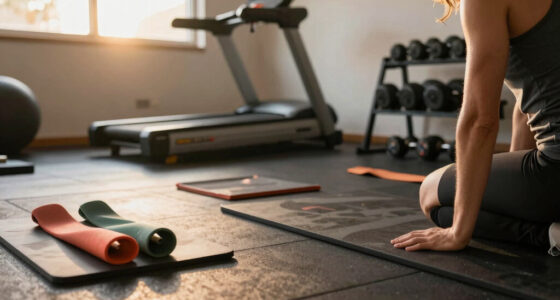
Enough for stretching, bands, dumbbells, and light cardio.
Outlets reduce cord clutter and tripping hazards.
Durable, shock absorbing, non-slip, and noise reducing.
Match the room to the workout.
Your fitness goal decides the footprint. Strength training needs load-bearing floors and equipment clearance. Cardio needs an unobstructed lane. Yoga and mobility need calm, clean space with enough floor area to move freely.
Choose sturdy and open.
Prioritize a strong floor, at least 120 square feet, wall clearance, and rubber mats for dropped weights and joint protection.
Choose long and breezy.
Look for airflow, outlets near equipment, a fan or window, and enough path length for machines or bodyweight circuits.
Choose calm and clear.
A smaller room can work beautifully when it has natural light, low clutter, soft flooring, and space for a full mat range.
Three room features matter most.
Size gets attention, but ceiling height, lighting, and ventilation decide how safe and motivating the room feels once you actually train there.
8 feet or higher
Higher ceilings reduce the risk of hitting overhead objects during jumps, presses, pull-ups, or tall equipment use.
Bright and adjustable
Natural light improves mood and visibility. If windows are limited, daylight-style LEDs keep the space alert and inviting.
Fresh air flow
A window, quiet fan, air purifier, or climate control setup helps prevent stuffiness, overheating, and fatigue.
Flooring is the safety layer.
Rubber, foam, and carpet all feel different under load. The best choice depends on impact, cleaning needs, noise, and the kind of equipment you plan to use.
| Floor Type | Best Use | Durability | Noise Control | Watch-Out |
|---|---|---|---|---|
| Rubber mats | Weights, HIIT, mixed training | ✓ Excellent | ✓ Strong | Heavier and often more expensive. |
| Foam tiles | Yoga, stretching, light workouts | ~ Moderate | ~ Moderate | Can dent or wear under heavy equipment. |
| Carpet | Low-impact movement only | ✗ Limited | ~ Variable | Harder to clean and less stable for lifting. |
| Hybrid zones | Rubber for weights, foam for mobility | ✓ Flexible | ✓ Strong | Requires a little more planning upfront. |
Small rooms need smart vertical thinking.
A tight room can still become a powerhouse. Keep the floor open, use foldable equipment, mount storage on the wall, and give every item a home.
Small-space priorities
- ✓Wall racks: Store mats, bands, and weights off the floor.
- ✓Foldable gear: Choose collapsible benches or treadmills for multi-use rooms.
- ✓Mirrors: Expand the visual feel and help with form correction.
- ✓Clear zones: Separate lifting, cardio, and stretching when possible.
Room size spectrum
Minimum space depends on your training style. Bigger is useful, but smart storage can make modest square footage feel functional and uncluttered.
Set up the room in the right order.
Choosing the room is easier when you evaluate it like a system: fitness goal first, then structure, comfort, power, storage, and noise.
Define the goal
Strength, cardio, yoga, wellness, or a hybrid routine.
Measure the room
Check square footage, ceiling height, and movement clearance.
Fix the floor
Add rubber or foam where impact, grip, and sound matter.
Plan comfort
Prioritize light, airflow, climate control, and fresh air.
Control clutter
Use outlets, wall storage, soundproofing, and foldable gear.
The final decision test.
Before you commit, ask whether the room will feel safe, easy to use, and pleasant enough to return to several times a week.
Choose this room if…
It has enough movement space, a stable floor, good lighting, fresh airflow, accessible outlets, and storage that keeps equipment visible but organized.
Upgrade before using if…
It feels stuffy, dark, slippery, cramped, noisy, cord-heavy, or too cluttered to start a workout without rearranging the room first.
Key Takeaways
- Prioritize room size, ceiling height, and natural light to enhance workout motivation.
- Rubber flooring offers durability and noise reduction, ideal for high-impact exercises.
- Vertical storage and foldable equipment maximize small spaces effectively.
- Good ventilation and lighting aren’t optional—they make workouts safer and more enjoyable.
- Consider soundproofing if noise could disturb others in your household.
How to Pick a Room That Fits Your Fitness Goals
Your fitness goals shape the perfect room. Want strength training? You’ll need space for weights and a sturdy floor. Cardio? A longer, unobstructed area works best. Flexibility or yoga? A quiet, calming corner is ideal.
For example, if you love lifting, a room with at least 120 square feet allows room for a squat rack, bench, and free weights without feeling cramped. If your goal is overall wellness with some cardio and stretching, a smaller 80-square-foot space can work with smart, multi-functional equipment.
Think about your favorite workouts and visualize the space needed. Bigger isn’t always better—smart design makes smaller areas feel spacious and functional.
Understanding your fitness priorities helps you choose a room that not only fits your current needs but can also adapt as your goals evolve. For instance, a room suitable for both strength training and yoga offers flexibility, saving you from needing multiple spaces and making your routine more sustainable.
3 Key Features That Make a Room Perfect for Your Workout
Look for these features when choosing your room:
- Ceiling height: At least 8 feet. Higher ceilings are better for jumping or tall equipment, as they prevent feeling cramped and reduce the risk of injury from hitting overhead objects. Low ceilings can restrict movement and make certain exercises uncomfortable or unsafe.
- Lighting: Natural light boosts mood and motivation. If unavailable, add bright, adjustable LED fixtures to mimic sunlight, which can help regulate your circadian rhythm and improve workout quality. Proper lighting reduces eyestrain and keeps you alert during sessions.
- Ventilation: Fresh air prevents stuffiness and reduces the buildup of indoor pollutants. A room with a window or space for a fan keeps the air circulating, which is crucial during intense workouts to prevent fatigue and maintain focus. Poor ventilation can lead to dizziness or discomfort, undermining your motivation and safety.
For instance, a spare bedroom with a large window and high ceilings can feel airy and energizing, making workouts more enjoyable and less claustrophobic. Well-ventilated spaces also help maintain proper body temperature, reducing overheating and dehydration risks.
The Best Floor for a Home Gym: Rubber, Foam, or Something Else?
Flooring is the foundation of safety and comfort. Rubber mats are the gold standard—durable, shock-absorbing, and non-slip. They protect your joints from impact and reduce noise, which is especially important in shared living spaces. Foam tiles are softer and provide cushioning, making them ideal for yoga, stretching, or light workouts, but they generally lack the durability needed for heavy weightlifting.
Choosing the right flooring involves understanding the tradeoffs. Rubber flooring offers excellent durability and sound insulation but can be more expensive and heavier to install. Foam tiles are easier to assemble and more affordable but wear out faster under heavy use. Carpet might seem cozy, but it can be slippery, hard to clean, and may not provide enough support for certain exercises.
Imagine dropping a heavy dumbbell onto rubber flooring—it absorbs the shock, protecting your joints and preventing damage to the floor, which can save money on repairs. Additionally, rubber flooring dampens noise, making it a considerate choice if you live in an apartment or shared house. For multi-zone gyms, combining rubber in weight zones and foam in stretching areas creates a versatile, safe environment that supports a wide range of activities.
How to Maximize Space in a Small Room
In a tight space, every inch counts. Use vertical storage—install wall-mounted racks for weights and mats to free up floor space. Foldable equipment like a treadmill or collapsible benches can be stored away after use, turning a dedicated workout area into a multi-purpose room. Multi-use furniture, such as a storage ottoman or fold-down desk, keeps clutter out of sight and maximizes utility.
Picture a 100-square-foot room where a fold-up wall-mounted pull-up bar, wall shelves for resistance bands, and a compact yoga mat turn a small corner into a versatile workout zone. Incorporating mirrors can also create an illusion of more space and help with form correction during exercises.
Prioritizing multi-use and smart storage solutions not only keeps your space open and inviting but also encourages consistency by making your workout environment more accessible and less cluttered. When everything has a designated spot, you’re less likely to skip sessions due to disorganization or lack of space.
Lighting and Ventilation: Why Bright and Breezy Matters
Natural light and good airflow turn a dull room into a lively workout spot. Sunlight stimulates your mood and helps you stay motivated, while proper ventilation ensures fresh air circulation, reducing indoor pollutants and humidity that can make workouts uncomfortable. If natural light is limited, invest in bright, adjustable LEDs that mimic daylight, which can help regulate your circadian rhythms and improve focus.
For ventilation, a window that opens is ideal, but if not feasible, add a quiet fan or air purifier to maintain air quality. Proper airflow helps keep body temperature regulated, reduces sweating discomfort, and prevents fatigue caused by stale air. Without adequate ventilation, you risk feeling sluggish or dizzy, which can compromise safety and motivation. Creating a bright, breezy environment supports better performance, quicker recovery, and a more enjoyable workout experience.
Why Your Electrical Outlets Matter for Home Gym Setup
Electrical outlets are the power hubs for your equipment. Plan for enough outlets—at least two or three—to avoid running extension cords or unplugging devices mid-workout. Consider outlets near where you’ll place your treadmill, TV, or speakers. Proper outlet placement reduces clutter and tripping hazards and ensures your devices have sufficient power during use.
For example, a room with a dedicated outlet for your smart mirror and another for a sound system keeps your setup tidy and prevents the risk of overload. Running cords across the floor can be a tripping hazard and look cluttered, which detracts from your workout experience and safety. Installing additional outlets or using surge-protected power strips can help manage multiple devices safely and efficiently, supporting a seamless workout environment that minimizes distractions and hazards.
Soundproofing: Keep the Noise Inside
If your home gym is in a shared space or near sleeping areas, soundproofing becomes essential. Rubber flooring, acoustic panels, and heavy curtains absorb sound and prevent disturbing others. These measures help create a space where you can work out at any hour without worrying about noise complaints, fostering consistency regardless of your schedule.
For example, adding foam panels on the walls and a thick rug can muffle the thud of weights and the thrum of cardio equipment. Sealing gaps around doors and windows with weatherstripping or door sweeps further reduces noise leakage. While total silence is often impractical, these steps significantly reduce sound transmission, allowing you to enjoy your workouts without disturbing household members or neighbors, which is especially important if you exercise early mornings or late nights.
Storage Solutions to Keep Your Home Gym Clutter-Free
A cluttered space kills motivation. Use wall-mounted racks, shelves, and cabinets to store weights, mats, and accessories. Keep small items like resistance bands in labeled bins for quick access. Organizing your equipment not only makes your space look tidy but also reduces the risk of accidents caused by tripping over clutter.
Picture a corner with a sleek wall rack holding dumbbells, neatly organized, with a drawer for resistance bands. Everything is within reach but out of sight, which helps maintain focus and safety during workouts. Effective storage solutions encourage regular use of your gym by making it easy to find and return equipment, fostering a sense of order and discipline. Moreover, a well-organized space minimizes the mental barriers that can lead to skipping workouts, keeping your fitness routine consistent and enjoyable.
Latest Trends in Home Gym Rooms You’ll Love
Home gym design is evolving fast. Multi-functional spaces now incorporate an office or lounge area, reflecting the need for versatility. Smart tech like fitness mirrors, app-controlled equipment, and mood lighting are common, allowing you to customize your environment for motivation and comfort. Eco-friendly materials—like recycled rubber floors and sustainable cabinetry—are gaining popularity, emphasizing health and sustainability.
Compact, foldable equipment saves space and adds flexibility, enabling you to switch between workouts and relaxation easily. Imagine a room that transforms from a workout studio to a relaxing lounge with just a few adjustments—that’s the future of home gyms. These innovations not only optimize space but also enhance your overall experience, making your fitness journey more engaging and sustainable.
Frequently Asked Questions
What is the minimum size for a home gym?
A small home gym can start around 50-100 square feet, but for more versatile workouts, 200+ square feet offers more flexibility and comfort. It depends on your equipment and movement needs.
How do I soundproof my home gym?
Use rubber flooring, acoustic panels, and heavy curtains to absorb sound. For extra noise control, consider adding door sweeps and sealing gaps around windows and doors.
What equipment should I prioritize for a small room?
Choose compact, versatile pieces like resistance bands, dumbbells, foldable treadmills, or wall-mounted pull-up bars. Multi-functional equipment maximizes your space and workout options.
How can I maximize space in a small room?
Utilize vertical storage, foldable equipment, and multi-use furniture. Keeping the floor clear with wall-mounted racks makes a small space feel larger and more functional.
What are the best flooring options?
Rubber mats are the best choice for durability and shock absorption. Foam tiles are good for comfort, especially in areas dedicated to stretching or yoga.
Conclusion
Choosing the right room for your home gym isn’t about size alone; it’s about crafting a space that fuels your routine. Think bright, airy, and clutter-free, with enough room for your favorite moves. Your perfect workout corner is within reach—start planning today.
Remember, a well-thought-out space keeps you motivated and consistent. Every workout in a room you love is a step closer to your goals. So, what’s stopping you from creating that inspiring corner now?