
TL;DR

Get workout gear delivered free with Prime
- Fast, free delivery on millions of items
- Prime Video, Amazon Music and more included
- Member-only deals all year
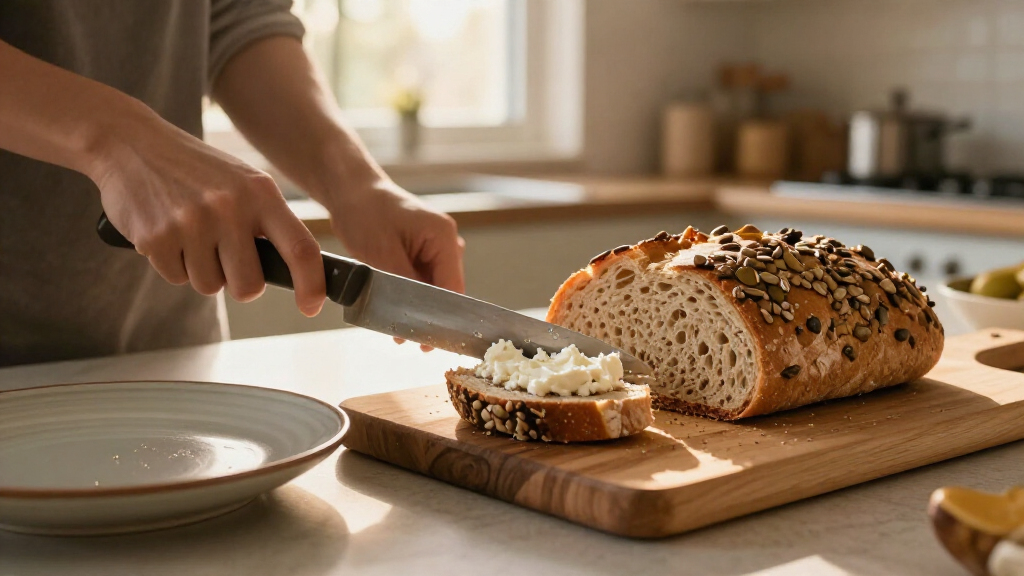
Nutritionist Rob Hobson shared a Nordic seed loaf recipe from The Low Appetite Cookbook with Fit&Well. The recipe uses seeds, oats, nuts and psyllium, but the report does not provide nutrition figures or evidence that the loaf treats causes or effects of low appetite.
Nutritionist Rob Hobson has shared a Nordic seed loaf recipe from his book, The Low Appetite Cookbook, in a Fit&Well report about ways to make smaller amounts of food more nutrient-dense. The loaf combines seeds, oats, nuts and psyllium, though the report gives no per-serving protein or calorie figures and does not establish that the recipe can address the medical causes of low appetite.
The recipe calls for sunflower, pumpkin, flax, sesame and chia seeds, along with rolled oats, chopped hazelnuts or almonds, psyllium husk, salt, water, maple syrup or honey, and olive oil. The ingredients are mixed and left to rest so the chia and psyllium can absorb liquid and bind the loaf.
For baking, the mixture goes into a lined 20-by-10-centimeter loaf tin. Hobson’s instructions call for 25 minutes in the tin at 200°C (180°C fan), followed by another 20 to 25 minutes directly on the oven rack. The loaf should cool completely before slicing. The source says it can be refrigerated in an airtight container for up to five days or sliced and frozen for up to two months.
Fit&Well says the recipe is reproduced from Hobson’s cookbook with permission. The report characterizes the loaf as a source of protein, fiber and healthy fats, but does not state how much of those nutrients a slice provides. Serving size and a full nutrition analysis are not included in the supplied material.
A Recipe for Smaller Meals
Hobson’s approach is to make food more nutrient-dense rather than rely on larger meals, which may feel difficult for someone whose appetite has declined. That may be useful as a practical meal idea for readers who are eating less than they need, but the report presents a recipe and the author’s advice—not a clinical trial or individualized nutrition plan.
The report also highlights why persistent appetite changes deserve attention. Hobson says inadequate energy and protein intake can contribute over time to loss of muscle and other nutritional shortfalls. Those concerns may be especially relevant to older adults and people losing weight, but a seeded loaf alone cannot establish whether someone is meeting their needs.
Products Worth Considering

Garmin Forerunner 265S 42 mm GPS Running Watch, Light Pink and Powder Gray

Garmin Forerunner 165 GPS Running Smartwatch, 43 mm, Whitestone

Therabody Theragun Mini 3rd Generation Percussive Massage Gun, Black
As an affiliate, we earn on qualifying purchases.
Why Appetite Can Decline
In the Fit&Well interview, Hobson describes low appetite as something that can arise from several factors rather than one cause. He cites illness, surgery, stress, depression, recovery and emotional strain, as well as medication. He specifically says GLP-1 weight-loss drugs can suppress hunger and slow digestion, which may increase feelings of fullness.
Hobson also points to changes associated with ageing, including shifts in taste and smell, digestion and activity, and says midlife hormone changes can affect hunger and food tolerance. These are the nutritionist’s explanations as reported by Fit&Well; the article does not assess any individual reader or determine the cause of a particular person’s appetite change.
Hobson wrote The Low Appetite Cookbook for people who find that conventional advice to eat bigger meals or follow rigid plans does not suit them. He told Fit&Well that the book instead focuses on smaller, nutrient-dense meals. The Nordic seed loaf is one recipe offered in that broader approach.
“Traditional nutrition advice doesn’t work when appetite is small.”
— Rob Hobson, speaking to Fit&Well
Nutrition Figures Are Not Provided
The supplied report does not give protein, fiber, calorie or serving-size figures for the loaf, so readers cannot use it to calculate how much of their daily needs one slice might supply. It also does not compare the recipe with other breads or provide evidence that eating it improves appetite, prevents muscle loss or treats nutrient deficiencies.
The cause and duration of a person’s low appetite are also not established by the article. Hobson lists possible contributing factors, but the report does not give medical guidance for diagnosing them or specify when readers should seek care. Anyone with persistent appetite loss, unexplained weight change, or concerns about medication and food intake may need advice from a qualified health professional.
How to Use the Recipe
Readers can follow the published method and adjust the choice of honey or maple syrup and hazelnuts or almonds as directed in the ingredient list. The report’s practical storage guidance is to keep the cooled loaf in an airtight container in the refrigerator for up to five days, or freeze slices for up to two months.
Fit&Well’s report does not announce a follow-up study, clinical evaluation or further publication date. The next step for readers concerned about low appetite is not specified by the recipe: they can discuss persistent changes and individual nutrition needs with a clinician or registered dietitian, particularly if illness, treatment or medication may be involved.
Key Questions
What is in Rob Hobson’s Nordic seed loaf?
The recipe includes sunflower, pumpkin, flax, sesame and chia seeds, rolled oats, chopped hazelnuts or almonds, psyllium husk, salt, water, maple syrup or honey, and olive oil.
How long does the loaf take to bake?
After resting for at least two hours at room temperature or overnight in the refrigerator, it bakes for 25 minutes in a loaf tin at 200°C (180°C fan), then another 20 to 25 minutes directly on the oven rack.
How should the bread be stored?
The source says to refrigerate it in an airtight container for up to five days. Slices can be frozen for up to two months and defrosted or toasted from frozen.
Does the report give the loaf’s protein content?
No. It describes the loaf as containing protein, fiber and healthy fats but gives no serving size or nutrient amounts.
Does this recipe treat low appetite?
The report offers the loaf as a nutrient-dense food idea; it does not claim or provide evidence that the recipe treats low appetite or its underlying causes. Persistent appetite changes should be discussed with a qualified health professional.
Source: fitandwell.com