
TL;DR
Health authorities confirm Covid vaccines are safe for pregnant women, with ongoing studies supporting their use. This update aims to clarify concerns and guide expectant mothers’ decisions.
Health authorities have officially reaffirmed that Covid vaccines are safe for pregnant women, based on recent data and ongoing studies. This confirmation aims to address concerns among expectant mothers and healthcare providers, emphasizing the benefits of vaccination during pregnancy amidst the ongoing pandemic.

Get workout gear delivered free with Prime
- Fast, free delivery on millions of items
- Prime Video, Amazon Music and more included
- Member-only deals all year
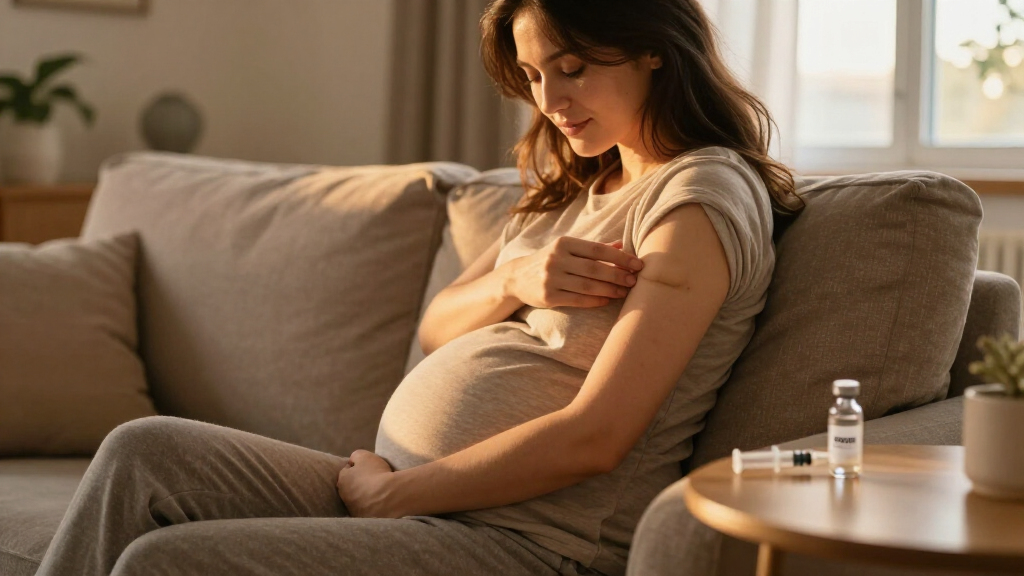
Multiple health agencies, including the Centers for Disease Control and Prevention (CDC), have stated that Covid vaccines are safe for pregnant women. The updated guidance is based on extensive data from millions of vaccinated pregnant individuals, showing no increased risk of adverse outcomes for either mother or baby.
Recent studies indicate that vaccination during pregnancy can provide protective antibodies to the newborn and reduce the risk of severe Covid illness in the mother. The CDC emphasizes that the benefits of vaccination outweigh potential risks, which are considered minimal based on current evidence.
While initial vaccine development did not include pregnant women, subsequent research has consistently supported safety and efficacy, leading to the current recommendations. Health experts advise pregnant women to consult with their healthcare providers to make informed decisions.
Why Updated Guidance on Vaccination Matters for Pregnant Women
This update is significant because it provides reassurance to pregnant women who may have hesitated to get vaccinated due to safety concerns. It underscores the importance of vaccination as a tool to protect both maternal and neonatal health during the ongoing Covid pandemic. Increased vaccination rates among pregnant women could potentially reduce severe illness, hospitalizations, and adverse pregnancy outcomes linked to Covid.
Products Worth Considering

Theragun Therabody Relief Massage Gun – 3 Speed, Black

Hyperice Normatec Elite Wireless Compression Boots

Hyperice Normatec 3 Full-Leg Compression Boots, Standard Size
As an affiliate, we earn on qualifying purchases.
Recent Developments in Covid Vaccination and Pregnancy Research
Since the rollout of Covid vaccines in late 2020, health authorities initially lacked specific data on pregnant women, leading to cautious guidance. Over time, observational studies and registry data have accumulated, showing no increased risk of adverse effects from vaccination during pregnancy. The CDC and World Health Organization (WHO) have progressively updated their recommendations, encouraging vaccination for pregnant women.
In 2022, several large-scale studies demonstrated the safety and potential benefits of vaccination during pregnancy, including antibody transfer to infants. Despite this, some pregnant women remain hesitant, citing concerns about safety and long-term effects. Ongoing research continues to monitor outcomes and refine guidance.
“The data overwhelmingly support that Covid vaccines are safe and effective for pregnant women. Vaccination can protect both mother and baby from severe Covid illness.”
— Dr. Anne Schuchat, CDC Deputy Director
Remaining Questions About Long-Term Effects and Future Research
While current data support vaccine safety during pregnancy, questions remain about the long-term effects on children and potential rare adverse events. Researchers continue to monitor vaccinated pregnant women and their infants to gather more comprehensive data. It is not yet clear how emerging Covid variants might influence vaccine recommendations for pregnant women in the future.
Next Steps in Monitoring and Updating Guidance for Pregnant Women
Health agencies plan to continue collecting data through pregnancy registries and observational studies. Expectant mothers can expect periodic updates based on new evidence. Healthcare providers will also receive ongoing guidance to support informed decision-making among pregnant patients.
Key Questions
Are Covid vaccines safe for pregnant women?
Yes, current evidence from multiple studies and health agencies indicates that Covid vaccines are safe for pregnant women, with no increased risk of adverse outcomes.
Can vaccination protect my baby from Covid?
Vaccination during pregnancy can transfer protective antibodies to the fetus, potentially reducing the risk of Covid infection in newborns.
Should I get vaccinated if I am pregnant?
Most health authorities recommend vaccination for pregnant women, but it is best to discuss your individual situation with your healthcare provider.
Are there any risks associated with Covid vaccination during pregnancy?
Based on current data, the risks are minimal and outweighed by the benefits of protection against severe Covid illness. Ongoing research continues to monitor safety.
Will guidance change as new Covid variants emerge?
Yes, health agencies will update recommendations based on emerging evidence about variants and vaccine effectiveness in pregnant populations.
Source: rss