TL;DR

Get workout gear delivered free with Prime
- Fast, free delivery on millions of items
- Prime Video, Amazon Music and more included
- Member-only deals all year
An Athletech News report argues that obesity medications should be part of a broader care plan, not a stand-alone treatment. It says resistance training, aerobic activity and adequate protein can support strength, fitness and health during weight loss, while the amount of benefit from specific routines varies by person.
An Athletech News report argues that obesity medications should be paired with exercise, nutrition and behavioral support, saying weight loss alone does not capture whether treatment improves a person’s health and daily function. The report calls for resistance training and other healthy behaviors to be treated as part of care, while noting that some lean tissue can be lost during significant weight reduction.
The report describes GLP-1-based and other obesity medications as a major advance in obesity care, citing clinical trials that have found meaningful weight loss and improvements in metabolic health. It also says millions of Americans are using the medications. The source does not provide a specific figure, trial citation or date for those statements, so the scale and evidence are not independently detailed in the supplied material.
Its central point is that weight on the scale is only one measure of progress. Significant weight loss, whether medication-assisted or achieved another way, typically involves loss of fat mass and can also involve loss of lean body mass, including skeletal muscle. The report says muscle matters for strength, mobility, metabolic health and everyday function, making the preservation of muscle and physical capacity relevant during treatment.
As approaches that may support those goals, the report identifies resistance exercise, aerobic activity and adequate dietary protein. It says resistance training can help maintain or develop strength, while aerobic exercise supports cardiorespiratory fitness and cardiovascular and metabolic health. These are presented as components of a comprehensive plan, not guarantees that muscle loss will be prevented or that every patient should follow the same program.
Care Beyond the Scale
The report’s argument matters because medication-related weight reduction is not the same as a complete assessment of health. A person’s strength, fitness, physical function and quality of life may also affect how well they can manage daily activities and sustain progress. Focusing only on pounds lost risks leaving those outcomes out of discussions between patients and care teams.
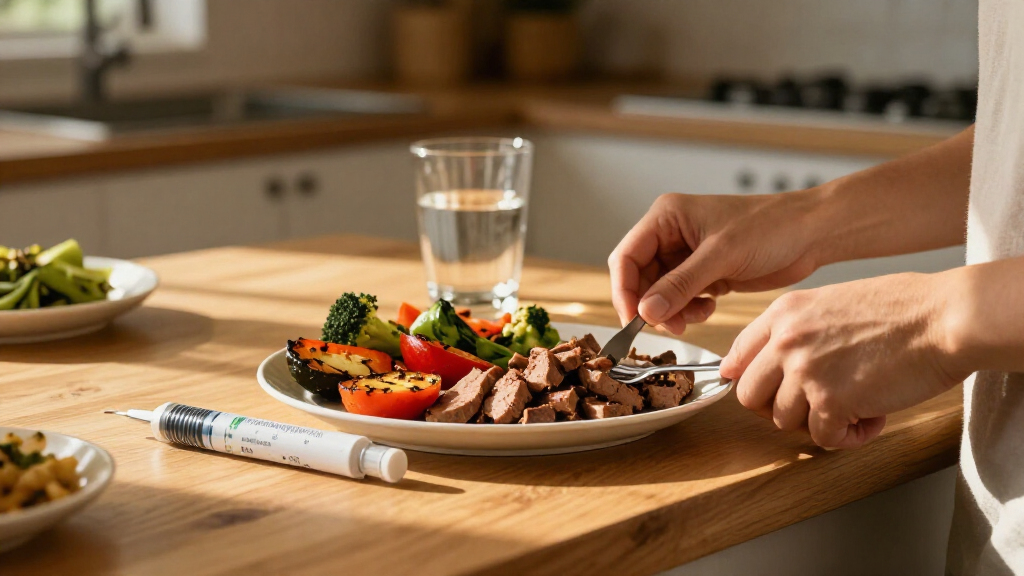
The report does not present a new clinical trial or formal treatment guideline. Instead, it makes a case for integrating lifestyle support with medical treatment. Medications can affect appetite and support weight loss, but they do not build muscle or improve fitness on their own. Exercise, nutrition and behavioral support may help patients pursue those broader aims alongside medication, with plans adapted to individual health and ability.
It also points to a practical issue for healthcare systems: clinicians need a reliable way to connect patients with exercise professionals whose qualifications and scope of practice are appropriate. The report cites the U.S. Registry of Exercise Professionals as one resource for checking credentials, and says exercise professionals can work alongside physicians and registered dietitian nutritionists. That model would make referrals more structured, though the source does not establish how widely it is used or what outcomes it produces.
Products Worth Considering

BowFlex Results Series SelectTech 552 Adjustable Dumbbell

OMRON Complete 2-in-1 Upper Arm Blood Pressure Monitor with EKG

Bowflex PR1000 Home Gym
As an affiliate, we earn on qualifying purchases.
How the Treatment Conversation Is Shifting
Public discussion of obesity medications has often centered on eligibility, cost and insurance coverage, according to the report. It says less attention has gone to what happens to the body during substantial weight loss and how patients might support strength and fitness during treatment. The article seeks to widen that conversation rather than dispute the role of medication.
The source frames obesity as a complex, chronic disease influenced by biological, environmental, behavioral and social factors. On that basis, it argues that medication and lifestyle change should not be treated as opposing choices. Medical treatment can be combined with support for exercise, nutrition and behavior, while the precise mix should reflect a patient’s circumstances and clinical needs.
The report also references a recent column by its author in U.S. News & World Report and names the American Council on Exercise as an organization preparing exercise professionals for work with healthcare teams. These references provide context for its call for collaboration; they are not, by themselves, evidence that a particular care model is standard practice.
““Long-term health depends on much more than the number on the scale.””
— Athletech News report
Evidence and Implementation Gaps
The supplied report does not quantify how much lean mass people typically lose while taking specific medications, or how much resistance training or dietary protein changes that outcome. It does not name particular studies, compare medication types, set exercise or protein targets, or describe how recommendations should vary by age, health conditions or physical ability. Its statements about medication benefits and exercise strategies are therefore presented here as the report’s account, not as a full review of the underlying evidence.
It is also unclear how many healthcare systems currently provide exercise-professional referrals, which credentials they require, or whether those services are covered by insurance. The source calls for greater integration but gives no implementation timeline or cost analysis. Patients should discuss a suitable activity and nutrition plan with their healthcare team, particularly if they have existing health conditions or limitations.
Building Exercise Into Care
The report calls on healthcare systems to incorporate qualified exercise professionals more routinely into obesity care and to improve coordination among clinicians, exercise specialists and registered dietitian nutritionists. It says credential registries can help providers check professional qualifications and scope of practice when making referrals.
No specific policy change, rollout date or follow-up study is announced in the supplied material. The next developments to watch are whether healthcare organizations establish referral pathways, how patients gain access to exercise and nutrition support, and whether programs track outcomes beyond weight, including strength, fitness and physical function. For individual patients, the report’s practical message is to discuss these broader goals with their care team rather than treating medication and healthy habits as separate choices.
Key Questions
What does the report say obesity medications can do?
It says GLP-1-based and other obesity medications can support clinically meaningful weight loss and improve metabolic health, citing clinical trials. The supplied source does not give trial details or compare individual medications.
Why does the report emphasize resistance training?
Significant weight loss can include reductions in lean body mass as well as fat mass. The report says resistance exercise may help people maintain or develop strength during treatment, but it does not claim it will prevent all muscle loss.
Does the report recommend exercise instead of medication?
No. It describes medication and healthy behaviors as complementary parts of care, with exercise, nutrition and behavioral support alongside medical treatment.
What should patients discuss with their healthcare team?
Patients can ask how their plan will address strength, fitness and physical function as well as weight, and whether a qualified exercise professional or dietitian can help. Activity and nutrition plans should be suited to the individual, including any existing health conditions or limitations.
Source: athletechnews.com