TL;DR
A Fit&Well writer carried two 10kg dumbbells between rooms during routine trips for two weeks, rather than setting aside a workout period. The writer reported easier-feeling carries, greater posture awareness and a side-plank time that rose from 1 minute 33 seconds to 1 minute 48 seconds, but said the experiment cannot establish that the carries alone caused those changes.
A Fit&Well writer says carrying two 10kg dumbbells between rooms during routine trips for two weeks coincided with easier-feeling carries, greater awareness of posture and a longer side-plank hold. The writer described the results as personal observations, not proof that the short carries alone caused the changes.
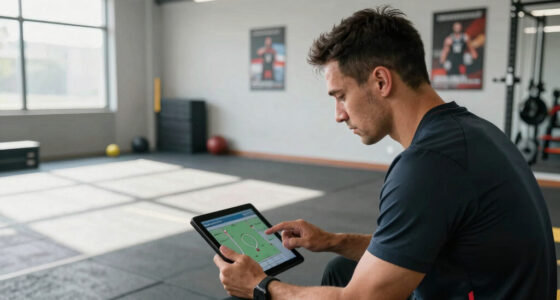
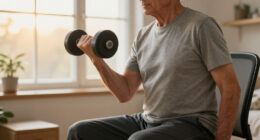
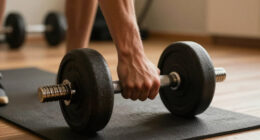
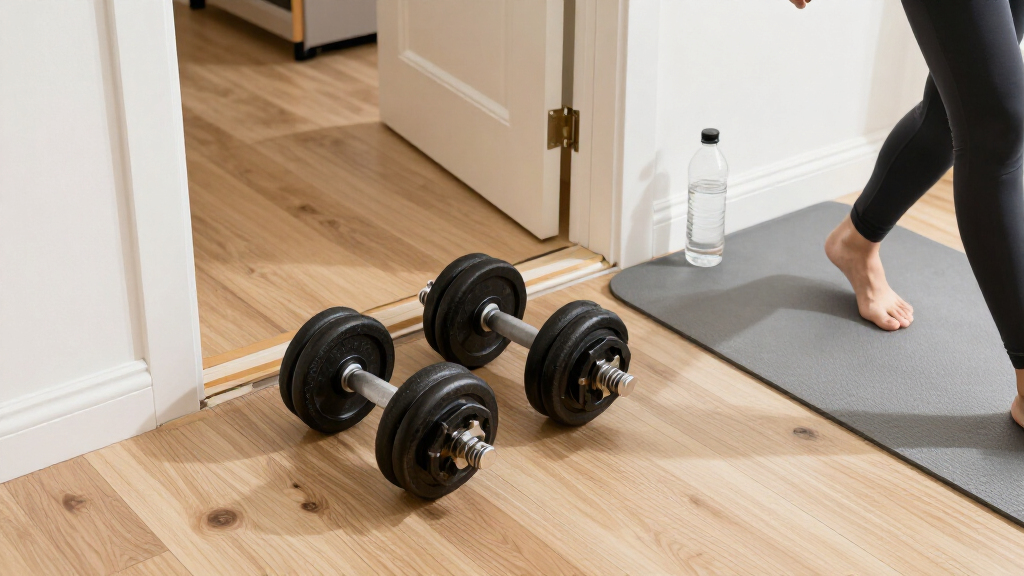
The writer adapted an idea shared on Instagram by personal trainer Kate Rowe-Ham: leave weights near the stairs and carry them on trips between floors. Rowe-Ham, according to the report, credited nutrition consultant Laurel Seabrook with a version using a 25-pound kettlebell. Because the writer rarely went upstairs while working, they instead moved a pair of 22-pound (10kg) dumbbells between a kitchen desk and the living room whenever a task took them between the rooms.
The report describes three perceived changes. The trips gave the writer brief breaks from sitting and prompted them to walk upright and engage their core; they said their neck felt less stiff and they felt taller by the end of the trial. The writer also found the dumbbells easier to carry by the second week and said grip-heavy exercises and carrying grocery bags felt easier. These were subjective observations, not measurements of strength or posture.
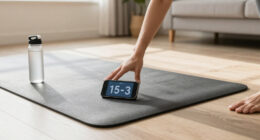
For a simple endurance check, the writer timed a side plank on the first day and again after two weeks. The reported hold increased from 1 minute 33 seconds to 1 minute 48 seconds, a difference of 15 seconds. The writer also said they felt steadier during the later test, while cautioning that one before-and-after test cannot show how much, if any, of the change came from carrying weights.
Small Carries Built Into Workdays
The experiment offers a low-planning way to add brief periods of movement to a desk-based day: attach carrying a manageable load to trips someone already makes around the home. For readers who struggle to schedule a dedicated workout, that approach may make activity easier to fit into a routine. The report does not establish that this practice replaces structured exercise or produces predictable fitness gains.
The writer’s account also points to a possible practical benefit beyond the timed test: carrying the weights created regular interruptions to sitting and made posture more noticeable. Those observations are relevant to people who spend long periods at a desk, but they remain an individual experience. The side-plank result is a small personal comparison, not controlled evidence of an effect.
The Carrying Idea and Its Adaptation
The original suggestion was to keep a weight by a staircase and carry it upstairs or downstairs during ordinary trips. Rowe-Ham shared that idea on Instagram and credited Seabrook with a similar practice involving a 25-pound kettlebell. In either version, the added activity comes in short bouts rather than a single planned session.
The Fit&Well writer changed the setup to fit their work habits, carrying two dumbbells between the kitchen and living room over two weeks. The supplied account does not give a precise number of daily trips or total carrying time, which makes it difficult to compare the routine with a defined exercise program. The approach is best understood as one person’s informal trial, not a standardized workout plan.
“I can’t say the carries alone were responsible, but the short breaks from sitting felt good and made me more conscious of my posture.”
— Fit&Well writer
What the Two-Week Test Cannot Show
The report does not establish that carrying the dumbbells caused the writer’s reported changes. It provides no comparison group, controlled testing or detailed record of how often the carries happened. The side-plank comparison involved one test at the start and one at the end, so changes in effort, practice or other factors could have affected the result.
The account also does not specify the writer’s training history, the pace or distance of each carry, or whether other exercise habits changed during the two weeks. It therefore cannot show whether another person would experience similar results, or how much activity this routine added overall. No injury or adverse effect was reported in the supplied material, but that absence does not establish that the method is suitable for everyone.
The Writer Plans More Carries
The writer said they intended to continue carrying weights between rooms and might add single-arm carries to see how they progress. The report supplies no follow-up results or timetable for another assessment, so any further changes remain unknown.
Anyone trying a similar routine should choose a load they can carry comfortably, keep a clear path and stop if they feel pain or lose control of the weights. People with existing injuries or health concerns can seek guidance from a qualified health professional before adding loaded carries to their day.
Key Questions
What did the Fit&Well writer do?
For two weeks, the writer carried two 22-pound (10kg) dumbbells between a kitchen desk and the living room whenever a task took them between those rooms.
What changes did the writer report?
The writer said the weights felt easier to carry, they became more aware of posture, and a side-plank hold increased from 1:33 to 1:48. These are individual observations, not confirmed effects for other people.
Does the report prove that carrying weights improved the writer’s side plank?
No. The report compares one timed hold at the beginning with one at the end and does not isolate the carries from other possible influences. The writer said the test could not show how much of the change came from the dumbbells.
What was the original idea behind the routine?
Personal trainer Kate Rowe-Ham shared an idea of leaving a weight by the stairs and carrying it on trips between floors. The report says she credited nutrition consultant Laurel Seabrook with a version using a 25-pound kettlebell.
Source: rss