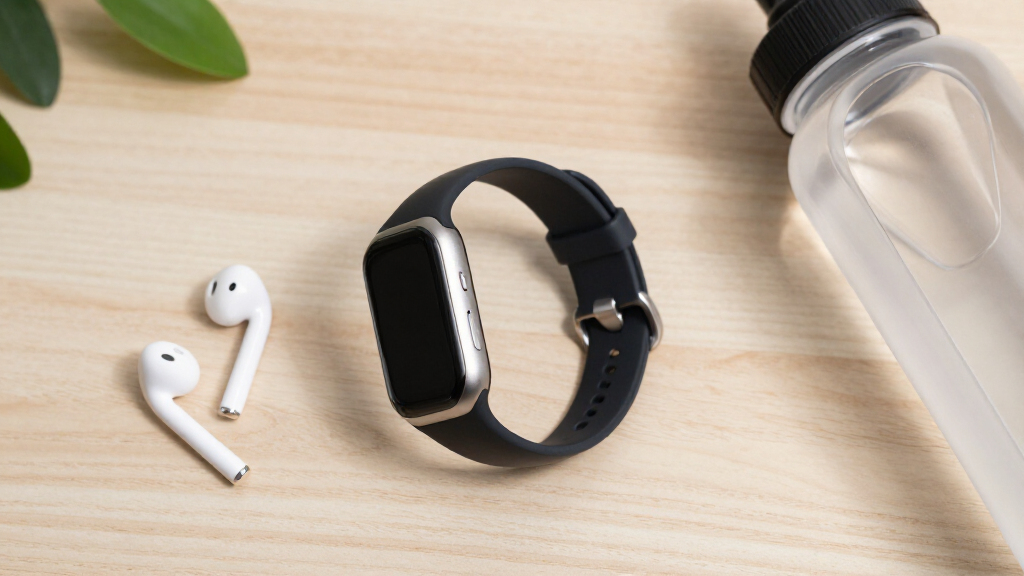
Wearable fitness trackers in 2026 range from simple screenless bands to full GPS smartwatches and even smart rings, and the best choice depends on how much data you actually want on your wrist. The Google Fitbit Charge 6 earns the best overall spot for balancing accurate health tracking, app depth, and battery life at a mid-range price. If recovery and training load matter more than step counts, the WHOOP 5.0 stands out with screenless 24/7 monitoring, while the Xiaomi Mi Smart Band 10 is the clear value play with a bright AMOLED display and three-week battery. The main tradeoffs in this category come down to subscription costs, display versus battery life, and whether built-in GPS is worth a bigger, pricier device. Keep reading for the full breakdown of all 15 trackers.
Complete the kit

Key Takeaways
- Subscription models split this lineup sharply: the WHOOP 5.0 and Oura Ring 5 require ongoing memberships, which can cost more over two years than the hardware itself, while Fitbit, Garmin, and Xiaomi devices work fully without recurring fees.
- Screenless options (Fitbit Air, WHOOP, Oura) consistently delivered better battery life and comfort for sleep tracking, but force you to check your phone for every data point — a dealbreaker for anyone who wants at-a-glance feedback.
- The unnamed budget trackers with 1.10″ AMOLED screens (products 2, 6, and 9) are near-identical devices; their blood pressure claims are estimates, not medical readings, which separates them from the clinically oriented Fitbit and Garmin options.
- Battery life emerged as the biggest differentiator in real-world use: the Mi Smart Band 10’s 21-day endurance versus the vívoactive 5’s roughly 11 days versus daily-charging full smartwatches changes how you actually use the tracker overnight.
- Garmin remains the only brand in this lineup offering built-in GPS at both price tiers, making the vívoactive 5 and vívosmart 5 the natural picks for runners and cyclists who don’t want to carry a phone.
| Fitbit Google Air – Screenless Activity Tracker – Berry |  | Best Minimalist Pick | Size: 130-210 mm adjustable fit | Battery Life: Up to 7 days | Charging Time: 5 minutes for 1 day of use | VIEW LATEST PRICE | See Our Full Breakdown |
| Fitness Tracker with 24/7 Heart Rate, Blood Pressure, Sleep Monitor, 1.10″ AMOLED Screen |  | Best Budget Pick | Display: 1.10-inch AMOLED HD touch color screen | Heart Rate: 24/7 continuous monitoring | Sleep Monitoring: Automatic light/deep sleep detection | VIEW LATEST PRICE | See Our Full Breakdown |
| WHOOP 5.0/MG Activity Tracker with 12-Month Membership and Sleep Monitoring |  | Best for Recovery and Training Insights | Battery Life: 14+ days | Membership: 12 months included | Health Features: ECG, heart rate, blood pressure estimates, stress, menstrual insights | VIEW LATEST PRICE | See Our Full Breakdown |
| Google Fitbit Inspire 3 – Midnight Zen/Black |  | Best for Beginners | Compatibility: iOS 16.4+ and Android 11.0+ | Health Tracking: Activity, heart rate, SpO2, stress, sleep, menstrual health | Display: Touchscreen with vibrating alarms and sleep mode | VIEW LATEST PRICE | See Our Full Breakdown |
| Garmin vívoactive 5 GPS Smartwatch, 42mm, Black |  | Best Overall | Display: Bright AMOLED | Battery Life: Up to 11 days | Size: 42mm case | VIEW LATEST PRICE | See Our Full Breakdown |
| Fitness Tracker with Heart Rate, Sleep Monitor, Blood Pressure, 1.10″ AMOLED Screen, Waterproof, Smart Watch for Women and Men |  | Best Budget Health Snapshot | Display: 1.10-inch AMOLED HD touch screen | Water Resistance: IP68 | Battery Life: Up to 7 days (15 days standby) | VIEW LATEST PRICE | See Our Full Breakdown |
| Google Fitbit Charge 6 – Fitness Tracker – Obsidian/Black |  | Best Overall | Display: Color AMOLED touchscreen band | GPS: Built-in | Health Sensors: Heart rate, ECG, SpO2, sleep tracking | VIEW LATEST PRICE | See Our Full Breakdown |
| Smart Watch Fitness Tracker with Heart Rate, Blood Oxygen, Blood Pressure, Sleep Monitoring, 120 Sports Modes, IP68 Waterproof for Android & iPhone |  | Best Big-Screen Value | Display: 1.58-inch high-resolution touchscreen | Health Monitoring: Heart rate, blood oxygen, blood pressure, sleep | Exercise Modes: 120+ | VIEW LATEST PRICE | See Our Full Breakdown |
| Fitness Tracker with Heart Rate, Sleep Monitor, Blood Pressure, AMOLED Screen, Waterproof, Smart Watch for Women and Men |  | Best Lightweight Daily Wear | Display: 1.10-inch AMOLED touchscreen | Water Resistance: IP68 | Battery Life: Up to 7 days | VIEW LATEST PRICE | See Our Full Breakdown |
| Fitbit Google Air – Screenless Activity Tracker – Obsidian |  | Best Distraction-Free Tracker | Design: Screenless band tracker | Operating System: Fitbit OS | Battery Life: Up to 7 days | VIEW LATEST PRICE | See Our Full Breakdown |
| Xiaomi Mi Smart Band 10 (2025) Global Version |  | Best Value | Display: 1.72-inch AMOLED, 1500 nits | Battery Life: Up to 21 days | Charging: Fast charging, ~1 hour to full | VIEW LATEST PRICE | See Our Full Breakdown |
| WHOOP 5.0/MG Activity Tracker with 12-Month Membership |  | Best for Recovery and Sleep Science | Battery Life: 14+ days | Membership: 12 months included | Waterproof: Yes | VIEW LATEST PRICE | See Our Full Breakdown |
| Oura Ring 5 Smart Ring – Silver – Size 7 |  | Best Discreet Wearable | Size: 7 | Color: Silver | Material: Titanium | VIEW LATEST PRICE | See Our Full Breakdown |
| WHOOP 5.0 Activity Tracker – 12 Month Membership |  | Best Distraction-Free Tracker | Battery Life: 14+ days | Membership: 12 months included | Device Type: Screenless activity and sleep tracker | VIEW LATEST PRICE | See Our Full Breakdown |
| Garmin vívosmart 5 Health & Fitness Tracker, Large, Black | 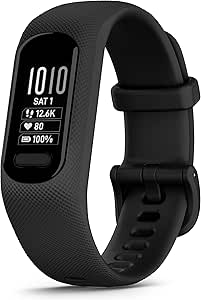 | Best Everyday Wellness Band | Display: Larger, brighter touchscreen | Battery Life: Up to 7 days | Water Resistance: Swim and shower safe | VIEW LATEST PRICE | See Our Full Breakdown |
| wearable fitness tracker | Battery Life | Compatibility | Display | Water Resistance |
|---|---|---|---|---|
| Fitbit Google Air | Up to 7 days | — | None (screenless design) | — |
| Fitness Tracker with 24/7 Hear | Up to 7 days use / 15 days standby | Android 5.0+ and iOS 9.0+ | 1.10-inch AMOLED HD touch color screen | IP68 waterproof |
| WHOOP 5.0/MG Activity Tracker | 14+ days | Apple Health, Google Health Connect, Strava, Natural Cycles | None (screenless) | — |
| Google Fitbit Inspire 3 | — | iOS 16.4+ and Android 11.0+ | Touchscreen with vibrating alarms and sleep mode | — |
| Garmin vívoactive 5 GPS Smartw | Up to 11 days | — | Bright AMOLED | — |
| Fitness Tracker with Heart Rat | Up to 7 days (15 days standby) | Android 5.0+, iOS 9.0+ | 1.10-inch AMOLED HD touch screen | IP68 |
| Google Fitbit Charge 6 | — | Best on Android; limited iOS support | Color AMOLED touchscreen band | 50 meters |
| Smart Watch Fitness Tracker wi | — | Android 4.4+, iOS 8.4+ | 1.58-inch high-resolution touchscreen | IP68 |
| Fitness Tracker with Heart Rat | Up to 7 days | Android 5.0+, iOS 9.0+ | 1.10-inch AMOLED touchscreen | IP68 |
| Fitbit Google Air | Up to 7 days | Android 11.0+, iOS 16.4+ | — | Up to 50 meters |
| Xiaomi Mi Smart Band 10 | Up to 21 days | Xiaomi Fit app, Google Fit | 1.72-inch AMOLED, 1500 nits | Suitable for swimming |
| WHOOP 5.0/MG Activity Tracker | 14+ days | Apple Health, Google Health Connect, Strava, Natural Cycles | — | — |
| Oura Ring 5 Smart Ring | 6-9 days | 40+ apps including Strava and Natural Cycles | — | — |
| WHOOP 5.0 Activity Tracker | 14+ days | Apple Health, Google Health Connect, Strava, Natural Cycles | — | — |
| Garmin vívosmart 5 Health & Fi | Up to 7 days | — | Larger, brighter touchscreen | Swim and shower safe |
More Details on Our Top Picks
Fitbit Google Air – Screenless Activity Tracker – Berry
No screen means no doom-scrolling your wrist, and that’s the entire appeal of the Google Air. This option stands out for buyers who want continuous health monitoring without the pull of notifications — a philosophy it shares with the WHOOP 5.0, but at a lower entry cost and with a more jewelry-like, micro-adjustable fit that works as a bracelet or workout band. Compared with the Fitbit Inspire 3, the Air trades real-time stats glanceability for a lighter, more comfortable all-day feel. Battery life stretches to a full week, and a 5-minute charge buys a day of use, which beats most screen-based rivals here. The catch: coaching depth and detailed metrics sit behind a Google Health Premium subscription, and anyone who wants to see pace or heart rate mid-run will find the screenless design limiting.
Pros:- Featherlight, bracelet-friendly design comfortable enough for sleep
- Up to 7 days of battery with genuinely fast top-ups
- Quick-look band swaps let it pass as jewelry
- Distraction-free approach to health tracking
Cons:- Premium coaching features locked behind a subscription
- No display means no on-wrist feedback at all
- Shallower health metrics than screen-based trackers like the Inspire 3
Best for: Style-conscious casual trackers who want discreet 24/7 monitoring and hate charging things daily
Not ideal for: Runners and gym-goers who need real-time pace, heart rate, or interval data on their wrist mid-workout
- Size:130-210 mm adjustable fit
- Battery Life:Up to 7 days
- Charging Time:5 minutes for 1 day of use
- Display:None (screenless design)
- Features:Adaptive coaching via Google Health Premium
- Design:Lightweight, micro-adjustable, convertible band
Our verdict“Buy the Google Air if you want a set-and-forget health band that disappears on your wrist; skip it if you actually want to read your stats during a workout.”
Fitness Tracker with 24/7 Heart Rate, Blood Pressure, Sleep Monitor, 1.10″ AMOLED Screen
For under the price of a single month of some rivals’ subscriptions, this tracker delivers a crisp 1.10-inch AMOLED display, 25 sport modes, and round-the-clock heart rate and sleep tracking. That screen is the big story: the Fitbit Google Air costs more and shows you nothing, while this one gives you customizable watch faces, notifications, weather, and even blood pressure and SpO2 readings on-wrist. Battery life holds up too, at around 7 days of real use, putting it on par with far pricier options. The tradeoffs are real, though — accuracy on the blood pressure and sleep metrics is approximate rather than clinical-grade, and it leans heavily on its companion app. Compared with the Garmin vívoactive 5, it lacks built-in GPS and the polish of Garmin’s ecosystem, but at a fraction of the price, that’s a fair compromise for casual users.
Pros:- Sharp AMOLED color screen with customizable faces
- Broad health coverage including heart rate, SpO2, and blood pressure trends
- Up to 7 days of battery per charge
- IP68 water resistance handles showers and sweaty workouts
Cons:- Health readings are reference-only and can drift from clinical accuracy
- Sports modes are shallow compared with Garmin’s dedicated apps
- Useless without the companion smartphone app
Best for: First-time buyers and casual walkers who want a bright screen and broad feature list without spending smartwatch money
Not ideal for: Data-driven athletes who need GPS accuracy, reliable metrics, and structured workout tools
- Display:1.10-inch AMOLED HD touch color screen
- Heart Rate:24/7 continuous monitoring
- Sleep Monitoring:Automatic light/deep sleep detection
- Sports Modes:25 including walking, running, cycling
- Water Resistance:IP68 waterproof
- Battery Life:Up to 7 days use / 15 days standby
- Compatibility:Android 5.0+ and iOS 9.0+
- Extras:Blood pressure, SpO2, sedentary reminders, female health tracking
Our verdict“The most feature-per-dollar option in this roundup — a sensible entry point as long as you treat its health numbers as directional, not diagnostic.”
WHOOP 5.0/MG Activity Tracker with 12-Month Membership and Sleep Monitoring
WHOOP 5.0 is less a gadget and more a subscription to a coaching brain, with the band serving as the sensor. Its recovery, strain, and sleep scores are the most analytically ambitious in this lineup, and the MG hardware adds ECG, blood pressure estimates, and stress tracking — capabilities the Fitbit Inspire 3 and the budget AMOLED tracker can’t match. Battery life of 14+ days comfortably beats everything here except maybe the Mi Smart Band 10, and the waterproof Wireless PowerPack lets you charge without taking it off, so data never gaps. Like the Fitbit Google Air, it’s screenless by design — but where the Air is soft lifestyle coaching, WHOOP is hard performance science. The honest downside: after the included 12-month membership ends, the device is effectively inert without continued payment, making long-term cost the real price tag.
Pros:- Best-in-class recovery, strain, and sleep analytics
- 14+ day battery with off-wrist-free charging via PowerPack
- ECG and blood pressure estimates on the MG model
- Syncs with Apple Health, Strava, and Google Health Connect
Cons:- Ongoing membership cost after the first year
- No display or smart notifications at all
- High total cost of ownership versus one-time-purchase rivals
Best for: Serious athletes and data-hungry optimizers who track recovery, training load, and sleep as part of a routine
Not ideal for: Casual users or anyone unwilling to keep paying a membership fee — the hardware stops delivering insights without it
- Battery Life:14+ days
- Membership:12 months included
- Health Features:ECG, heart rate, blood pressure estimates, stress, menstrual insights
- Display:None (screenless)
- Waterproof:Yes
- In the Box:WHOOP MG device, SuperKnit Luxe band, Wireless PowerPack
- Compatibility:Apple Health, Google Health Connect, Strava, Natural Cycles
Our verdict“The deepest health analytics here, provided you accept that you’re renting the intelligence, not owning it.”
Google Fitbit Inspire 3 – Midnight Zen/Black
The Inspire 3 remains the easiest on-ramp into fitness tracking, and that’s a deliberate design choice. Where the Garmin vívoactive 5 overwhelms with 30+ sport apps and metrics like HRV and Body Battery, the Inspire 3 focuses on a handful of well-explained scores — readiness, sleep, stress — that newcomers actually understand. It covers the essentials broadly: heart rate, SpO2 trends, sleep stages, menstrual health, and six free months of Fitbit Premium for new users, which softens the subscription sting compared with WHOOP’s mandatory membership. Both small and large bands ship in the box, so fit isn’t a guessing game. Compared with the budget AMOLED tracker, its data tends to be more trustworthy and its app experience far more polished. Just know the slender band feels basic, some insights sit behind the paywall after month six, and health notifications vary by region.
Pros:- Approachable, well-explained health scores ideal for first-timers
- Works with both iOS and Android
- Six months of Fitbit Premium included for new users
- Both band sizes included for a guaranteed fit
Cons:- Best insights eventually require a Premium subscription
- Irregular rhythm notifications limited by region
- No built-in GPS and a slim feature set next to the vívoactive 5
Best for: Fitness-tracking newcomers who want trustworthy basics, a friendly app, and gentle daily motivation
Not ideal for: Athletes wanting built-in GPS, deep sport profiles, or on-wrist intelligence beyond basics
- Compatibility:iOS 16.4+ and Android 11.0+
- Health Tracking:Activity, heart rate, SpO2, stress, sleep, menstrual health
- Display:Touchscreen with vibrating alarms and sleep mode
- Bands:Small and large included
- Premium Membership:Required for some features; 6 months free for new users
- Notifications:Irregular rhythm alerts in supported regions only
Our verdict“The least intimidating way to start tracking your health seriously — buy it for the ecosystem, not the spec sheet.”
Garmin vívoactive 5 GPS Smartwatch, 42mm, Black
This is the pick that does everything a fitness tracker should, without asking you to compromise. Unlike the screenless WHOOP 5.0 or Fitbit Google Air, the vívoactive 5 gives you a bright AMOLED display for real-time feedback, plus built-in GPS that the budget AMOLED tracker and Inspire 3 both lack — so run pace and distance come from your wrist, not your phone. With up to 11 days of battery, over 30 sport apps ranging from golf to HIIT to wheelchair activities, Body Battery energy scoring, music storage, and Garmin Pay, it’s the most complete package here. The tradeoffs are modest but real: it’s bulkier and pricier than band-style trackers, capped at a single 42mm size, and Garmin’s health metrics are estimates that can vary day to day. Still, for a buyer who wants one device for training, sleep, and everyday life, nothing else in this lineup covers as much ground.
Pros:- Built-in GPS for accurate outdoor workouts without a phone
- Bright AMOLED display that’s readable in sunlight
- Up to 11 days of battery despite the full feature set
- Music storage and Garmin Pay contactless payments
Cons:- Pricier and bulkier than band-style trackers like the Inspire 3
- Only available in 42mm, which may not suit all wrists
- Health metrics are estimations and can vary in accuracy
Best for: Active multitaskers who want GPS workouts, rich health data, music, and payments from a single device
Not ideal for: Buyers wanting a barely-there band for sleep tracking, or those with larger wrists frustrated by the one-size 42mm case
- Display:Bright AMOLED
- Battery Life:Up to 11 days
- Size:42mm case
- GPS:Built-in
- Health Monitoring:Heart rate, Body Battery, HRV, stress, sleep, menstrual and pregnancy tracking
- Sports Apps:30+ including running, cycling, swimming, golf, HIIT, yoga
- Extras:Music storage, smart notifications, Garmin Pay
Our verdict“If you want one wearable that handles serious training and everyday smartwatch duties with battery to spare, this is the one to buy.”
Fitness Tracker with Heart Rate, Sleep Monitor, Blood Pressure, 1.10″ AMOLED Screen, Waterproof, Smart Watch for Women and Men
For shoppers who want a broad health overview without a premium price, this option stands out. The 1.10-inch AMOLED screen punches above its price bracket — a sharper, brighter panel than you’ll find on the Fitbit Inspire 3‘s OLED at similar money — and the spec sheet reads like a flagship: heart rate, blood pressure, sleep, 25 sports modes, and female health tracking. That breadth is the pitch, but also the catch. Compared with the Google Fitbit Charge 6, the data here is directional rather than precise, and there’s no built-in GPS or ECG. Battery life of up to seven days beats the Charge 6’s typical real-world runtime, though heavy use of continuous monitoring trims it. This pick makes the most sense for casual users who want trends, not clinical accuracy.
Pros:- Vivid AMOLED display with customizable faces at a low price
- Broad health suite including blood pressure and sleep tracking
- IP68 waterproofing handles showers and workouts
- Up to 7 days of battery life
Cons:- Health data is reference-only and less accurate than name-brand sensors
- No built-in GPS or advanced training analytics
Best for: Budget-conscious buyers who want an attractive screen and a wide range of wellness metrics for everyday motivation
Not ideal for: Runners and data-driven athletes who need built-in GPS and reliable, sensor-grade accuracy
- Display:1.10-inch AMOLED HD touch screen
- Water Resistance:IP68
- Battery Life:Up to 7 days (15 days standby)
- Charging Time:2 hours
- Compatibility:Android 5.0+, iOS 9.0+
- Features:Heart rate, blood pressure, sleep, 25 sports modes, notifications, female health tracking
Our verdict“A solid low-cost pick for casual wellness tracking, as long as you don’t expect medical-grade numbers.”
Google Fitbit Charge 6 – Fitness Tracker – Obsidian/Black
This is the pick I’d point most people toward, because it nails the balance the others compromise on. Unlike the generic trackers in this roundup, the Charge 6 pairs built-in GPS with an ECG sensor, and it’s the only band-style option here with Google Wallet contactless payments and YouTube Music controls. Compared with the budget AMOLED tracker above it, the accuracy ceiling is far higher — Fitbit’s algorithms and sleep staging are genuinely useful, not just directional. The tradeoffs are real: the best coaching, stress scores, and sleep insights sit behind a Google Health Premium subscription, and iPhone owners get a watered-down experience since Wallet and Maps only work on Android. The stainless steel case and 50-meter water resistance make it durable enough for swimming, where IP68 budget trackers falter.
Pros:- Built-in GPS plus ECG and real-time heart rate
- Contactless payments, Google Maps, and YouTube Music integration
- Mature sleep tracking and stress management tools
- 50-meter water resistance with stainless steel build
Cons:- Best insights and coaching require a paid subscription
- Flagship features are Android-only
Best for: Android users who want accurate, GPS-backed training and sleep data with smartwatch perks on a slim band
Not ideal for: iPhone owners, who lose Google Wallet, Maps, and other core integrations
- Display:Color AMOLED touchscreen band
- GPS:Built-in
- Health Sensors:Heart rate, ECG, SpO2, sleep tracking
- Water Resistance:50 meters
- Payments:Google Wallet contactless
- Band Material:Silicone
- Case Material:Stainless steel
- Compatibility:Best on Android; limited iOS support
Our verdict“The most complete band-style tracker for Android users, provided you accept the subscription upsell.”
Smart Watch Fitness Tracker with Heart Rate, Blood Oxygen, Blood Pressure, Sleep Monitoring, 120 Sports Modes, IP68 Waterproof for Android & iPhone
If the budget AMOLED tracker feels too small and the Fitbit Charge 6 too expensive, this splits the difference: a 1.58-inch high-resolution display that behaves more like a smartwatch than a band, with 120+ sports modes and full health monitoring for both Android and iPhone. That screen is the real differentiator — reading notifications, weather, and SpO2 numbers is simply easier here than on the 1.10-inch budget models. The cost of that ambition is complexity and dependence: GPS and notifications only work tethered to your phone, so unlike the Charge 6 you can’t leave it behind on a run. The interface can also feel cluttered for first-time tracker buyers. This model is better suited to users who want the look and layout of a smartwatch at a tracker price.
Pros:- Large, vibrant 1.58-inch high-resolution display
- 120+ sports modes covering niche activities
- Works fully with both Android and iOS
- Washable, replaceable strap
Cons:- No standalone GPS — requires a connected phone
- Feature-dense interface can overwhelm casual users
Best for: Buyers who want a large smartwatch-style display and huge sport-mode variety without paying flagship prices
Not ideal for: Minimalists and beginners who’ll be overwhelmed by menus, and athletes who need untethered GPS
- Display:1.58-inch high-resolution touchscreen
- Health Monitoring:Heart rate, blood oxygen, blood pressure, sleep
- Exercise Modes:120+
- Water Resistance:IP68
- GPS:Connected (phone-dependent)
- Compatibility:Android 4.4+, iOS 8.4+
- Strap:Replaceable and washable
Our verdict“A smartwatch look at a tracker price, best for screen lovers who always carry their phone.”
Fitness Tracker with Heart Rate, Sleep Monitor, Blood Pressure, AMOLED Screen, Waterproof, Smart Watch for Women and Men
Nearly identical on paper to the other 1.10-inch AMOLED budget tracker in this lineup, this one earns its own slot by being the more streamlined day-to-day companion — same crisp display, same IP68 rating, same 25 sports modes, but with an emphasis on comfort and simple all-day wear rather than feature stuffing. Compared with the big 1.58-inch smartwatch-style tracker, it’s lighter and less obtrusive, which matters if you’re wearing it to sleep or to the office. It’s more even-handed between Android and iOS than the Fitbit Charge 6, whose best features are Android-only. The flip side: detailed metrics and trends really require living in the companion app, and accuracy on blood pressure and sleep is approximate at best. This pick makes the most sense for someone who wants set-and-forget tracking on a slim band.
Pros:- Slim, lightweight build comfortable for sleep wear
- Bright AMOLED screen with customizable faces
- IP68 water resistance for daily wear
- Up to 7 days battery with 2-hour recharge
Cons:- Detailed insights require the companion app
- Metric accuracy is approximate and not medical-grade
Best for: Casual users and light sleepers who want a light, discreet band for round-the-clock basic tracking
Not ideal for: Data hounds who want on-wrist detail without opening the app, or anyone needing precise metrics
- Display:1.10-inch AMOLED touchscreen
- Water Resistance:IP68
- Battery Life:Up to 7 days
- Charging Time:2 hours
- Sports Modes:25
- Compatibility:Android 5.0+, iOS 9.0+
- Features:Heart rate, sleep, blood pressure, notifications, weather
Our verdict“A comfortable, no-drama tracker for everyday wellness habits rather than serious training.”
Fitbit Google Air – Screenless Activity Tracker – Obsidian
The Fitbit Google Air takes the opposite approach from every other product here: it removes the screen entirely. Where the big 1.58-inch tracker tempts you into endless menu-tapping, this one is designed for people who want health data without a glowing rectangle on their wrist — closer in spirit to the Oura Ring 5 or WHOOP 5.0 than to any display-based band. The payoff is all-day comfort, a week of battery with a clever 5-minutes-to-one-day quick charge, and 50-meter water resistance that outclasses the IP68 budget models for swimming. The obvious tradeoff: every check-in happens on your phone, and the best coaching still sits behind a subscription, same as the Charge 6. It also tracks activity basics only — no payments, no notifications, no apps. This pick makes the most sense for screen-fatigued users prioritizing sleep and recovery over stats-on-demand.
Pros:- Featherweight, adjustable fit comfortable enough to never take off
- Up to 7 days battery with 5-minute quick charging
- 50-meter water resistance for swimming
- Accurate Fitbit-grade sensors and adaptive coaching
Cons:- No display means all data lives on your phone
- Premium insights require a recurring subscription
Best for: Minimalists and screen-fatigued users who want continuous tracking, strong battery life, and zero distractions
Not ideal for: Anyone who wants to see stats, timers, or notifications on their wrist without pulling out a phone
- Design:Screenless band tracker
- Operating System:Fitbit OS
- Battery Life:Up to 7 days
- Quick Charging:1 day of charge in 5 minutes
- Water Resistance:Up to 50 meters
- Sensors:Optical heart rate monitor
- Compatibility:Android 11.0+, iOS 16.4+
Our verdict“A screenless tracker for people who’d rather check their phone than their wrist — and like it that way.”
Xiaomi Mi Smart Band 10 (2025) Global Version
Nothing else in this lineup comes close to the price-to-hardware ratio of the Mi Smart Band 10. The 1.72-inch AMOLED display at 1500 nits is brighter and larger than what the Google Fitbit Inspire 3 offers, and the 21-day battery life embarrasses the Garmin vívosmart 5’s single week per charge. For buyers who mainly want glanceable fitness data, swim tracking, and sleep insights without babysitting a charger, this band covers the fundamentals. The tradeoff is ecosystem friction: full functionality leans on the Xiaomi Fit app, imperial measurements need third-party workarounds, and integration with non-Xiaomi devices can feel bolted-on rather than native. Compared with the WHOOP 5.0, you get a screen and notifications but far shallower recovery analytics. This pick makes the most sense for budget-first buyers who value display quality and battery endurance over deep health coaching.
Pros:- Class-leading 21-day battery life
- Large 1500-nit AMOLED display readable in direct sunlight
- Swim-proof with multi-sport tracking
- Fast charging reaches full in about an hour
Cons:- Imperial measurements require third-party apps
- Weakest experience outside the Xiaomi ecosystem
- Some features only unlock through app integration
Best for: Budget-conscious buyers and gym-goers who want a big bright screen and weeks of battery for a fraction of flagship prices
Not ideal for: Users embedded in Google or Apple ecosystems who expect seamless native integration and imperial units out of the box
- Display:1.72-inch AMOLED, 1500 nits
- Battery Life:Up to 21 days
- Charging:Fast charging, ~1 hour to full
- Connectivity:Bluetooth 5.4
- Water Resistance:Suitable for swimming
- OS:HyperOS 2
- Compatibility:Xiaomi Fit app, Google Fit
Our verdict“The obvious choice if you want maximum tracker hardware per dollar and can tolerate Xiaomi’s app ecosystem.”
WHOOP 5.0/MG Activity Tracker with 12-Month Membership
This variant of the WHOOP 5.0 bundle stands out for its MG (member-grade) hardware and complete accessory package, including the SuperKnit band and waterproof Wireless PowerPack that lets you charge without taking the tracker off — meaning truly uninterrupted 24/7 data collection. Where the Xiaomi Mi Smart Band 10 gives you numbers to glance at, WHOOP gives you interpretation: daily strain, recovery scores, VO2 max, and sleep staging with personalized coaching on top. That depth is why serious athletes tolerate the screenless design — you check your phone for everything, which some will find liberating and others frustrating. The bundled 12-month membership softens the subscription sting, but the ongoing cost is real, and unlike the Oura Ring 5 there’s no way to use the device without paying. This model suits data-driven optimizers more than casual step-counters.
Pros:- 14+ day battery with off-wrist-free wireless charging
- Deep sleep, strain, recovery, and VO2 max insights
- Waterproof for continuous daily wear
- 12-month membership included upfront
Cons:- No screen for at-a-glance feedback
- Device is unusable without an active membership
- High total cost of ownership over time
Best for: Endurance athletes and biohackers who want clinical-grade recovery and strain analytics with zero charging interruptions
Not ideal for: Casual users or anyone unwilling to keep paying a subscription after year one for basic activity data
- Battery Life:14+ days
- Membership:12 months included
- Waterproof:Yes
- Metrics:Sleep, strain, recovery, heart rate, VO2 max, menstrual insights
- Compatibility:Apple Health, Google Health Connect, Strava, Natural Cycles
- Includes:Device, SuperKnit band, waterproof Wireless PowerPack
Our verdict“The strongest pick here for athletes who treat recovery data as seriously as training itself.”
Oura Ring 5 Smart Ring – Silver – Size 7
For buyers who find wrist wearables intrusive, the Oura Ring 5 reframes the category entirely: a lightweight titanium ring that tracks more than 50 metrics — sleep, stress, heart health, metabolic signals, women’s health — while looking like ordinary jewelry. Compared with the WHOOP 5.0/MG, it’s the more socially invisible option and arguably more comfortable for sleep, though its 6-9 day battery falls short of WHOOP’s 14+ and its coaching is less aggressive about training load. The ring shines at passive, overnight data; it’s weaker as a live workout companion since there’s no screen and workout tracking is secondary to recovery analytics. Fit matters enormously here — proper sizing with the included kit is non-negotiable for accurate readings, and the $5.99/month subscription after the first month adds up. This pick makes the most sense for wellness-focused professionals who want insight without a gadget on their wrist.
Pros:- Nearly invisible titanium design comfortable for 24/7 wear
- 50+ tracked health metrics including sleep and heart health
- Scratch-resistant all-titanium build
- 6-9 day battery beats most smartwatches
Cons:- Requires careful sizing for accurate data
- Subscription fee after the first month
- Weak as a live training companion
Best for: Professionals and sleep-focused wellness trackers who want comprehensive health data in jewelry form
Not ideal for: Athletes who need real-time workout feedback or buyers unwilling to pay an ongoing subscription
- Size:7
- Color:Silver
- Material:Titanium
- Battery Life:6-9 days
- Health Metrics:Sleep, activity, stress, heart, metabolic, and women’s health
- Membership:First month included, then $5.99/month
- Compatibility:40+ apps including Strava and Natural Cycles
Our verdict“Buy it if you prioritize sleep and wellness insight in a discreet form; skip it if you train with live metrics.”
WHOOP 5.0 Activity Tracker – 12 Month Membership
This standard WHOOP 5.0 package occupies a deliberate middle ground: same screenless 24/7 monitoring platform as the WHOOP 5.0/MG bundle — heart rate, HRV, stress, sleep, menstrual insights, adaptive coaching — but with a performance band as its core accessory rather than the full SuperKnit-plus-PowerPack kit, which usually makes it the lower-cost entry into the WHOOP ecosystem. Its selling point is focus: no notifications, no apps begging for attention, just health data. Compared with the Garmin vívosmart 5, it flips the philosophy entirely — Garmin floods you with smart notifications and Body Battery widgets, while WHOOP asks you to live your life and review the numbers later. That purity backfires if you want time, alerts, or workout displays on your wrist, and like the MG version, it’s locked behind a 12-month membership. For people who find smartwatch buzzes exhausting, that limitation is the feature.
Pros:- 14+ day battery life
- Full health suite including HRV, stress, and menstrual tracking
- Distraction-free screenless design
- Personalized adaptive coaching
Cons:- No display or real-time notifications
- Requires 12-month membership for functionality
- No smartwatch features at all
Best for: Screen-fatigued users and dedicated trainees who want coaching and recovery data with zero notification noise
Not ideal for: Anyone who wants a display for time, alerts, or mid-workout stats on their wrist
- Battery Life:14+ days
- Membership:12 months included
- Device Type:Screenless activity and sleep tracker
- Features:Heart rate, HRV, menstrual insights, stress monitor, coaching
- Compatibility:Apple Health, Google Health Connect, Strava, Natural Cycles
- Includes:Performance band, charger
Our verdict“The right WHOOP for buyers who want the platform’s coaching depth at the lower entry price and genuinely won’t miss a screen.”
Garmin vívosmart 5 Health & Fitness Tracker, Large, Black
The Garmin vívosmart 5 is the balanced all-rounder for people who want health data and everyday convenience in one band. Its touchscreen-plus-button interface and larger display make it easier to navigate than the screenless WHOOP 5.0, and signature features like Body Battery, sleep scoring, respiration, and stress tracking turn raw metrics into decisions about your day. Smart notifications, incident detection, and assistance features add a safety layer none of the other trackers in this batch offer. Against the Xiaomi Mi Smart Band 10, you trade half the battery life (7 days versus 21) for a far more mature app in Garmin Connect and cleaner third-party integration. The honest caveats: Pulse Ox is unavailable in some regions, accuracy sits firmly in consumer rather than medical territory, and a smartphone is needed for full functionality. This model fits buyers who want one dependable band that does wellness and daily life competently.
Pros:- Bright, easy-to-read touchscreen with button backup
- Rich wellness suite: Body Battery, sleep score, stress, respiration
- Smart notifications plus incident detection and assistance
- Swim and shower safe with interchangeable bands
Cons:- 7-day battery is short next to the Mi Band 10 or WHOOP
- Pulse Ox unavailable in all countries
- Requires a paired smartphone for full functionality
Best for: Everyday users and older adults who want guided wellness insights, notifications, and built-in safety features from one band
Not ideal for: Data-obsessed athletes wanting deep recovery analytics, or minimalists who’d find notifications distracting
- Display:Larger, brighter touchscreen
- Battery Life:Up to 7 days
- Water Resistance:Swim and shower safe
- Connectivity:Bluetooth
- Compatible App:Garmin Connect
- Features:Sleep score, respiration, Pulse Ox, Body Battery, stress, women’s health, notifications, incident detection
Our verdict“The safest pick for buyers who want Garmin’s polish, safety features, and approachable insights without a smartwatch’s bulk or price.”
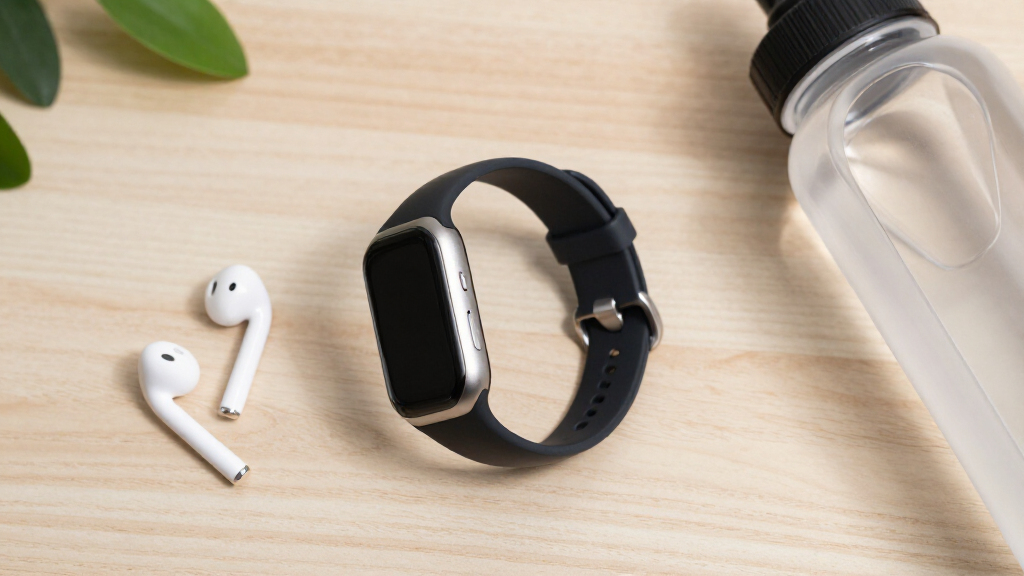
How We Picked
My ranking logic starts with tracking accuracy and consistency, because a wearable that miscounts steps or wildly misreads sleep is worse than no wearable at all. Devices from established ecosystems — Fitbit, Garmin, WHOOP, Oura, Xiaomi — were weighted more heavily on this criterion, since their sensor algorithms have years of validation behind them. The second criterion was total cost of ownership: a $240 tracker with a mandatory $200/year membership is a different purchase than a $60 band with no fees, and I priced every option accordingly.
From there, I evaluated battery life, comfort for 24/7 wear, app quality, and versatility across activities. Screen size, GPS, and smartwatch features factored in only as they serve the fitness-tracking use case — this roundup deliberately excludes devices where fitness is an afterthought. Finally, I separated the picks by buyer role, because the best tracker for a marathon trainee (Garmin vívoactive 5) is a poor match for someone who mainly wants sleep insights in a discreet ring (Oura Ring 5).
Factors to Consider When Choosing Wearable Fitness Trackers
Before clicking buy on any of the 15 trackers above, it helps to step back and think about how the category works. The biggest mistakes buyers make — overspending on features they’ll never open, or underestimating subscription costs — are easy to avoid once you know what actually drives value here.Subscription vs. One-Time Cost
The single most expensive mistake in this category is ignoring recurring fees. WHOOP’s hardware looks reasonable until you factor the mandatory 12-month membership, and Oura’s best features sit behind a monthly paywall — over a three-year ownership period, either can double your true cost compared with a Garmin or Xiaomi device. Fitbit sits in the middle: basic tracking is free, but deeper sleep scores and readiness metrics require Fitbit Premium. My advice is to calculate the three-year total cost before comparing sticker prices, and only pay for subscriptions if you’ll genuinely use coaching, recovery scores, or trend reports. Casual step-counters get nothing from a $30/month data platform.
Form Factor and Sleep Tracking Comfort
Any tracker only works if you wear it, and overnight comfort determines whether you get sleep data at all. Bulky GPS watches like the vívoactive 5 are excellent by day but can feel obtrusive in bed, which is why slim bands, the screenless Fitbit Air, and the Oura Ring exist. Ring-style wearables solve the comfort problem entirely and avoid the wrist-based optical sensor limitations that come with darker skin tones and certain tattoos — a known accuracy issue rarely mentioned in product listings. If sleep and recovery are your priority, favor the lightest, least noticeable form factor you’ll actually keep on. If daytime workout metrics dominate, wrist real estate and a bigger sensor suite matter more.
GPS: Built-In, Connected, or None
Trackers handle location in three ways, and the difference matters for anyone who walks, runs, or cycles outdoors. Built-in GPS (vívoactive 5) records routes accurately without a phone; connected GPS (Inspire 3, Charge 6) borrows your phone’s signal, which works fine but means carrying the phone; and no GPS (WHOOP, Oura, most budget bands) estimates distance from stride algorithms that drift noticeably at variable paces. A common regret among buyers is choosing a cheap band, then discovering its run distances are 10–15% off. If you track outdoor workouts seriously, GPS isn’t optional — budget for a device that has it natively.
Reading Between the Spec Lines on Budget Trackers
Several sub-$40 trackers in this roundup advertise blood pressure monitoring, and buyers should understand what that means: these are estimated values derived from pulse readings, not cuff-based measurements, and they can be off enough to be misleading if you have a cardiac condition. None of these devices are FDA-cleared for blood pressure the way clinical monitors are. Similarly, “120 sports modes” often means 120 variations of the same accelerometer-based tracking. The honest way to evaluate budget trackers is by the basics — heart rate consistency, display quality, waterproofing, and app reliability — rather than the longest spec list. When a no-name band promises everything a $300 watch does for $35, the compromise is always in sensor quality and software support.
Ecosystem Lock-In and App Quality
The tracker is only half the product; the app determines whether your data stays useful long-term. Garmin Connect, Fitbit, and Whoop offer mature dashboards, exportable data, and third-party integrations with Strava, Apple Health, and MyFitnessPal. Smaller brands may lock your history inside a bare-bones app that could vanish after an update, taking years of health data with it. Before buying, check whether the app supports your phone (several budget trackers here have weak or absent iPhone support), whether you can export raw data, and whether the company has a track record of multi-year firmware support. Cheaper hardware with a doomed app is a worse investment than mid-range hardware with an ecosystem that will still exist in 2029.
Battery Life and Charging Habits
Battery life isn’t just a convenience spec — it determines data completeness. A tracker you charge every night captures no sleep, which silently guts half its health features. The Mi Smart Band 10’s 21-day battery and WHOOP’s 14+ days mean genuinely continuous datasets, while AMOLED smartwatches with always-on displays often need daily top-ups. Also check the charging method: proprietary dongles and magnetic clips get lost, and some budget bands use awkward two-pin cables that only work at exactly the right angle. If you’re the type who forgets to charge devices, prioritize endurance over screen brightness — you’ll collect more useful data with a dimmer band you never take off than a gorgeous display that’s dead at noon.
Frequently Asked Questions
Is a subscription tracker like WHOOP or Oura worth the ongoing cost?
It depends entirely on whether you’ll act on the data. WHOOP’s recovery scores and Oura’s sleep staging genuinely change behavior for athletes managing training load — if a readiness score stops you from overtraining, the membership pays for itself. But if you mainly want step counts and casual heart rate, a Fitbit Inspire 3 or Mi Smart Band 10 delivers 80% of the insight with zero recurring fees. Run the math on a two-year horizon: WHOOP’s membership adds hundreds of dollars beyond the hardware, which is more than the outright cost of a Garmin vívoactive 5. A reasonable middle path is starting with a fee-free tracker, learning which metrics you actually check, and upgrading to a subscription platform only if you find yourself wanting deeper recovery analysis.
Can I trust the blood pressure readings on budget fitness trackers?
For trend-watching, cautiously; for medical decisions, no. The sub-$40 trackers in this lineup estimate blood pressure from optical pulse data using algorithms, not actual cuff inflation, so individual readings can deviate meaningfully from a clinical monitor. Doctors consistently recommend calibrating against a validated upper-arm cuff if you track blood pressure for health reasons. Where these estimates have some value is in spotting directional changes over weeks — if your readings trend upward, that’s a prompt to check with a real monitor. If hypertension management is your primary reason for buying a wearable, none of these devices replace a proper FDA-cleared blood pressure cuff, and treating them as such is a genuine health risk.
What’s the practical difference between a tracker and a GPS smartwatch like the Garmin vívoactive 5?
Three things: accuracy outdoors, battery trade-offs, and price. The vívoactive 5 records runs and rides natively without your phone, while slim bands like the Inspire 3 rely on connected GPS or stride estimates that drift at uneven paces. In exchange, the smartwatch is thicker on the wrist, needs charging roughly weekly rather than every two-plus weeks, and costs considerably more. Smartwatches also add niceties — on-wrist maps, contactless pay, music storage — that trackers skip. The honest deciding question is how often you exercise away from your phone: daily phone-free runners get real value from built-in GPS, while gym-goers and treadmill users are paying for capability they’ll rarely touch.
Are screenless trackers like the Fitbit Air or WHOOP actually usable day to day?
They are, but they change your relationship with the device. Screenless wearables shine at their one job — passive, continuous data capture — and they win on battery (weeks, not days), comfort, and eliminating the habit of compulsively checking your wrist. The tradeoff is that every data check requires opening your phone, which some people find frees them from distraction and others find tedious. Screenless designs also tend to be far more discreet, which matters if you work somewhere a smartwatch reads as unprofessional. If you already glance at health stats constantly and enjoy the ritual, a screenless tracker will feel like a downgrade; if notifications and constant metrics feel like noise, it’s a relief.
How does a smart ring like the Oura Ring 5 compare to a wrist tracker?
The core difference is sensor stability. A ring sits at the finger, where blood flow signals tend to be more stable overnight than at the wrist, so sleep and heart rate variability data from Oura is often cleaner than from loose-fitting bands. You also get zero screen distractions and a device you never have to remember to charge nightly. The downsides: no display means no real-time feedback during workouts, on-wrist workout tracking is limited compared with a Charge 6 or Garmin, and the subscription is required for most insights. Rings suit people whose priority is sleep and recovery intelligence in a form factor they’ll forget they’re wearing; anyone who wants live pace, heart rate zones, or workout screens mid-session should stay on the wrist.
Conclusion
After comparing all 15 trackers, the right pick comes down to who you are rather than which device scores highest on a spec sheet. For most buyers, the Google Fitbit Charge 6 is the best overall choice — it balances accurate tracking, a polished app, and useful smart features without mandatory fees. The Xiaomi Mi Smart Band 10 takes best value, delivering an AMOLED display and three-week battery at a fraction of the competition’s price. Best premium splits two ways: the Garmin vívoactive 5 for athletes who need built-in GPS and serious workout analytics, and the Oura Ring 5 for buyers who prioritize sleep and recovery data in a screen-free, invisible form factor. Beginners should start with the Fitbit Inspire 3 — it’s affordable, comfortable, and forgiving while you figure out which metrics matter to you. Specific needs: recovery-focused athletes get the WHOOP 5.0, minimalists who hate charging get the screenless Fitbit Air, and budget shoppers who accept estimated health metrics can grab one of the generic AMOLED bands. Whatever you choose, buy the tracker you’ll actually keep on your wrist — consistency beats features every time.